
Content
- India–Netherlands MoU on National Maritime Heritage Complex (NMHC), Lothal
- Bridges of India: Architecture Against the Odds
India–Netherlands MoU on National Maritime Heritage Complex (NMHC), Lothal
Why is it in News?
- India and the Netherlands signed an MoU to collaborate on the National Maritime Heritage Complex (NMHC) at Lothal, Gujarat.
- Partners:
- National Maritime Heritage Complex (India)
- National Maritime Museum (Netherlands)
Relevance
- GS I (Culture): Indus Valley Civilisation, maritime history, heritage preservation.
- GS II (IR): India–Netherlands bilateral relations, cultural diplomacy, people-to-people ties.
- GS III (Economy): Ports, shipping, blue economy, tourism-led growth.
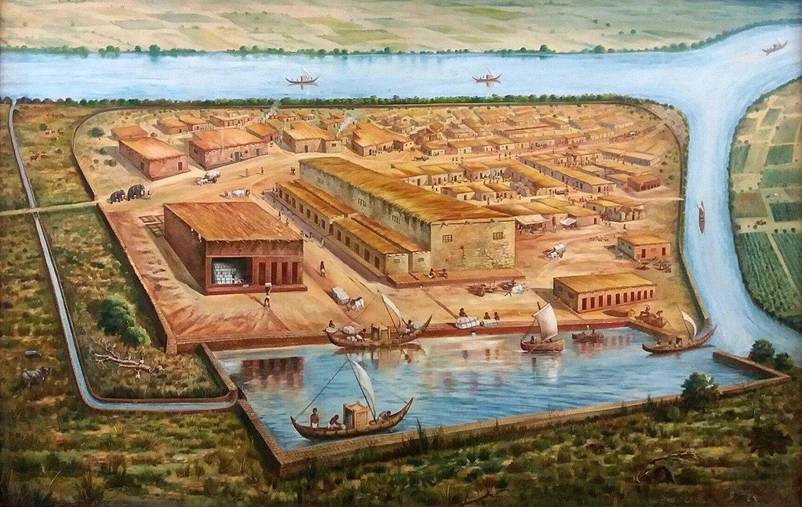
Strategic Background: Why Lothal Matters
- Lothal (Gujarat) is a prominent Indus Valley Civilisation (c. 2500 BCE) site.
- Known for:
- One of the world’s earliest dockyards, indicating advanced maritime trade.
- Evidence of trade with Mesopotamia, West Asia, and Africa.
- Anchors India’s claim of a 4,500-year-old maritime tradition — crucial for cultural diplomacy and historical continuity.
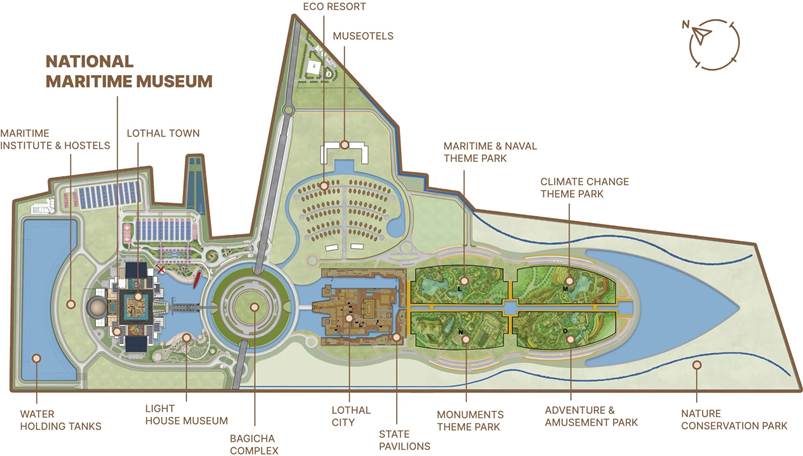
What is the National Maritime Heritage Complex (NMHC)?
- Nodal Ministry: Ministry of Ports, Shipping & Waterways.
- Vision: World’s largest maritime museum complex.
- Core Components:
- Maritime history galleries (ancient to modern India).
- Reconstructed Harappan dockyard ecosystem.
- Naval & merchant shipping heritage.
- Blue economy, coastal cultures, lighthouse heritage.
- TargetGroups:
- Students, researchers, tourists.
- Local communities and underprivileged sections (inclusive access).
Key Provisions of the MoU
- Knowledge & Expertise Exchange
- Maritime museum design.
- Curation and conservation standards.
- Joint Activities
- Collaborative exhibitions.
- Joint research projects.
- Cultural exchange programmes.
- Innovation & Outreach
- Digital museums, immersive experiences.
- Improved visitor engagement and maritime education.
- Capacity Building
- Adoption of global best practices from Amsterdam’s maritime museum ecosystem.
Why the Netherlands?
- The Netherlands has a strong maritime legacy:
- Dutch Golden Age shipping, global trade routes.
- Advanced maritime museums and conservation technologies.
- Contemporary strengths:
- Port management (Rotterdam model).
- Maritime logistics, shipbuilding, green shipping.
- Enhances credibility and global benchmarking for NMHC.
Strategic Significance for India
A. Cultural Diplomacy (Soft Power)
- Projects India’s ancient maritime heritage globally.
- Strengthens people-to-people ties with Europe.
- Aligns with India’s heritage-led diplomacy model.
B. Blue Economy Narrative
- Links historical maritime prowess with:
- Modern ports.
- Shipping.
- Coastal development.
- Reinforces India’s ocean-centric development vision.
C. Tourism & Local Development
- High-value heritage tourism in Gujarat.
- Employment generation in:
- Museum services.
- Cultural industries.
- Local handicrafts and hospitality.
D. Governance & Institution Building
- Demonstrates international institutional collaboration in culture and heritage.
- Model for future museum partnerships (e.g., with UK, France, Japan).
Linkages with Wider India–Netherlands Cooperation
- Ministers also discussed expanding cooperation in:
- Green shipping and decarbonisation.
- Port development and smart ports.
- Shipbuilding and maritime technology.
- Fits into broader India–EU and India–Europe maritime engagement.
Bridges of India: Architecture Against the Odds
Why is it in News?
- PIB highlighted landmark bridges as symbols of India’s engineering resilience, strategic connectivity, and infrastructure-led development.
- Focuses on bridges built under extreme geographic, climatic, seismic, and strategic constraints.
- Aligns with India’s broader push under PM Gati Shakti, Bharatmala, and railway modernisation.
Relevance
- GS I (Geography & Society): Physical constraints shaping infrastructure.
- GS III (Economy & Security):
- Infrastructure as growth multiplier.
- Border area development.
- Disaster-resilient public assets.
Infrastructure Significance ?
- Economic integration: Reduce logistics cost, travel time, and regional isolation.
- Strategic & security value: Enable rapid military mobilisation in border regions.
- Social inclusion: Connect remote, island, hilly, and riverine communities.
- Climate & disaster resilience: Designed for cyclones, earthquakes, high winds, corrosion.
- Nation-building: Physical manifestation of state capacity and engineering confidence.
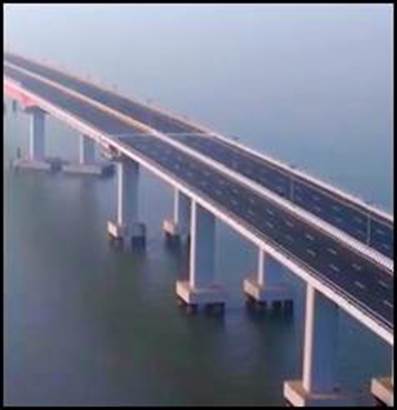
Atal Bihari Vajpayee Sewri–Nhava Sheva Atal Setu (MTHL)
- Type: Sea bridge (road).
- Length: 22 km (16.5 km over sea + 5.5 km on land).
- Cost: ₹17,843 crore.
- Status: India’s longest sea bridge.
- Purpose:
- Decongest Mumbai island city.
- Connect Mumbai with Navi Mumbai and JNPT region.
- Economic impact:
- Boosts trade, logistics, tourism.
- Improves port-led development.
- Delivered despite Covid-19 disruptions → project management capacity.
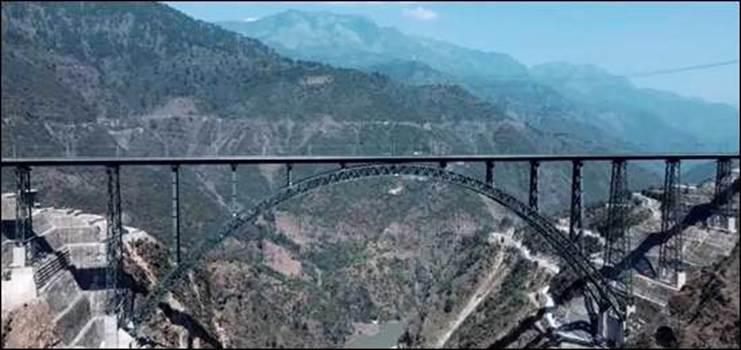
Chenab Rail Bridge
- Type: Steel arch railway bridge.
- Height: 359 m above Chenab River (≈35 m higher than Eiffel Tower).
- Length: 1,315 m.
- Cost: ₹1,486 crore.
- Design resilience:
- Wind resistance: up to 260 km/h.
- Lifespan: 120 years.
- Strategic importance:
- Part of Udhampur–Srinagar–Baramulla Rail Link (USBRL).
- Enables Vande Bharat operations.
- Reduces Katra–Srinagar travel time to ~3 hours.
- Border infrastructure, national integration, disaster-resilient design.
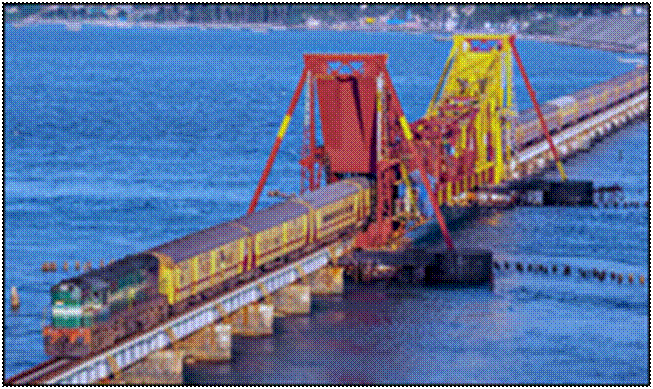
New Pamban Bridge
- Type: India’s first vertical lift railway sea bridge.
- Length: 2.07 km.
- Lift span: 72.5 m; lifts 17 m vertically.
- Cost: >₹700 crore.
- Engineering innovations:
- Stainless steel reinforcement.
- Polysiloxane corrosion-resistant coating.
- Fully welded joints → lower maintenance.
- Operational advantage:
- Allows ship movement without stopping rail traffic.
- Space provision for future second railway line.
- Challenges addressed:
- Cyclones, strong currents, seismic risks, tidal constraints.
- Coastal infrastructure, climate-resilient public assets.
Dhola–Sadiya Bridge
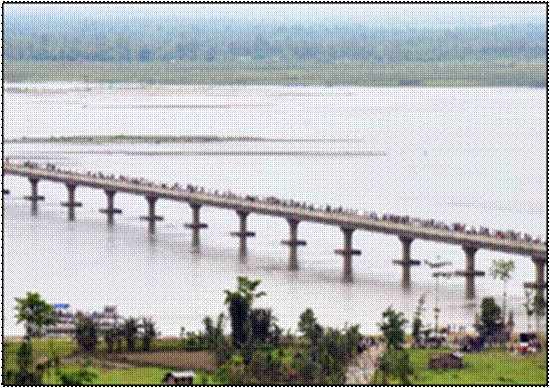
- Type: Beam road bridge.
- Length: 9.15 km.
- River: Lohit (Brahmaputra tributary).
- Strategic capacity:
- Designed for 60-tonne military tanks (Arjun, T-72).
- Connectivity impact:
- First permanent road link between Assam and Arunachal Pradesh.
- Strategic relevance:
- Enhances border-area logistics.
- Strengthens India’s posture in the eastern sector.
Anji Khad Bridge
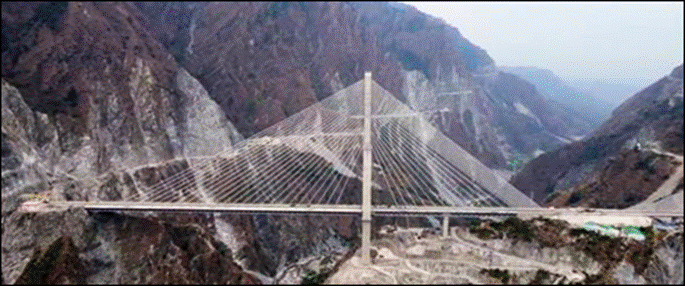
- Type: India’s first cable-stayed railway bridge.
- Height: 331 m above Anji River valley.
- Length: 725 m.
- Structural features:
- Inverted Y-shaped pylon (193 m).
- 96 high-tensile cables.
- 8,200+ metric tonnes of steel.
- Geological challenges:
- Unstable limestone, debris-prone slopes.
- Extensive slope stabilisation to protect ecology.
- Timeline: Completed in ~11 months.
- Role: Critical link in USBRL → Kashmir connectivity.
Comparative Value Addition
- Sea bridges (Atal Setu, Pamban): Corrosion, wind, marine ecology challenges.
- Mountain bridges (Chenab, Anji): Seismicity, landslides, extreme weather.
- River bridges (Dhola–Sadiya): Flood load, sedimentation, strategic load capacity.
- Reflect context-specific engineering, not one-size-fits-all infrastructure.
Broader Network Mentioned
- Bogibeel Bridge – rail-cum-road over Brahmaputra.
- New Saraighat Bridge – strengthens Assam connectivity.
- Digha–Sonpur Bridge – rail-cum-road over Ganga.


