
Contents
India's Critical Mineral Mission Gains Momentum: 56 Critical Mineral Blocks and 11 Exploration Licence Blocks Successfully Auctioned
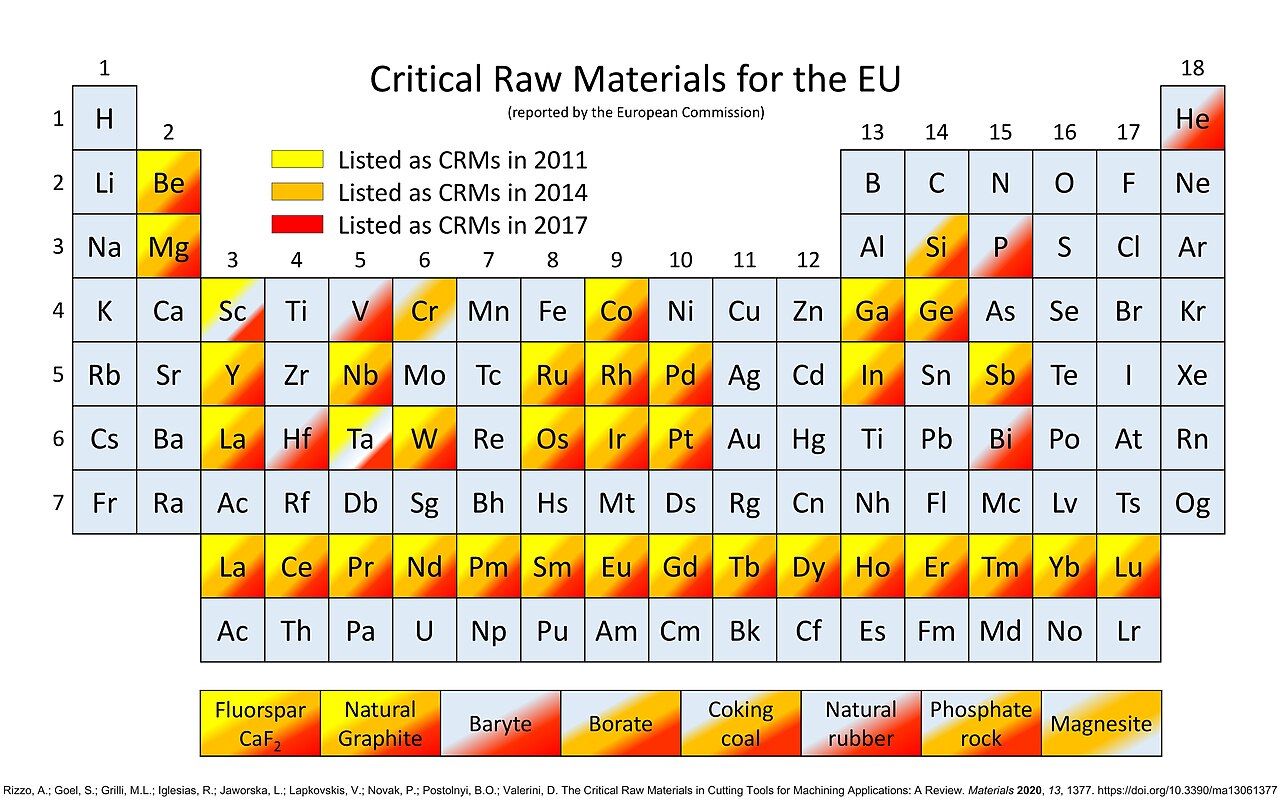
- The Ministry of Mines completed the Seventh Tranche of critical/strategic mineral block auctions and the Second Tranche of Exploration Licence (EL) auctions, taking cumulative totals to 56 mineral blocks and 11 EL blocks respectively.
- The auctions mark geographical expansion — first-time critical mineral auctions in Gujarat, Uttarakhand and Telangana, and first-time EL auctions in Arunachal Pradesh, Uttar Pradesh and Odisha.
- Critical minerals are minerals essential for economic development and national security, vulnerable to supply disruption due to import dependence, limited domestic reserves, or geopolitical concentration.
- In November 2022, a Ministry of Mines committee identified 30 critical minerals for India (lithium, cobalt, nickel, REEs, graphite, etc.).
- The Mines and Minerals (Development and Regulation) Amendment Act, 2023 (effective 17 August 2023) is the key legal enabler: it listed 24 critical and strategic minerals in Part D of Schedule I, and inserted Section 11D, empowering the Central Government to exclusively auction mining lease/composite licences for these 24 minerals — even though the actual grant of lease and revenue still rest with the State Government.
- The Amendment also removed 6 minerals (lithium, beryllium, niobium, titanium, tantalum, zirconium) from the atomic minerals list (Part B), opening them to private exploration, and created a new concession type — the Exploration Licence (EL) — for 29 deep-seated/critical minerals listed in the Seventh Schedule, auctioned via reverse bidding (lowest % share of auction premium wins).
- The National Critical Mineral Mission (NCMM) was approved by the Union Cabinet on 29 January 2025 (announced in Budget 2024–25), with a ₹34,300 crore outlay (₹16,300 cr Centre + ₹18,000 cr expected PSU/private investment) over 2024–25 to 2030–31, targeting 1,200 exploration projects and acquisition of 50 overseas mining assets.
- 10 blocks auctioned via Notice Inviting Tender (NIT) dated 23 March 2026, offering 19 blocks; conducted under the MMDR Act, 1957 and Mineral (Auction) Rules, 2015.
- Minerals included Graphite, Rare Earth Elements (REE), Vanadium, Titanium, Glauconite and Rock Phosphate.
- First-time critical mineral auctions conducted by the Centre in Gujarat, Uttarakhand and Telangana, widening the geographical reach of exploration.
- The Second Tranche of EL auctions expanded the framework to Arunachal Pradesh, Uttar Pradesh and Odisha for the first time by the Central Government.
- Cumulative EL blocks auctioned now stand at 11 since the introduction of the EL auction regime, enabling systematic exploration of critical and deep-seated minerals by private and public sector entities.
- Overall progress: 56 of 88 unique blocks taken up by the Centre have been successfully auctioned — a 63%+ success rate.
- Minerals from these tranches feed clean energy technologies, electric mobility, renewable energy systems, advanced manufacturing, electronics and defence applications.
- The State-Centre revenue split persists by design: the Centre auctions, but mining lease grant and auction premium accrue to the State Government — a cooperative-federalism mechanism to incentivise state cooperation despite Central auctioning power.
- The auctions reinforce the objectives of the National Critical Mineral Mission: promoting private sector participation, reducing import dependence, and building a robust pipeline of critical and strategic mineral assets.
- A 63%+ success rate (56/88) is a reasonable conversion rate for a relatively young auction regime, since critical mineral auctions only began in 2024.
- Geographical diversification (first auctions in Gujarat, Uttarakhand, Telangana, Arunachal Pradesh, UP, Odisha) reduces over-concentration risk and signals deepening exploration data across more states.
- Encourages private and public sector participation in upstream exploration — historically a state/PSU-dominated, slow-moving segment.
- 44 blocks (37%) remain unauctioned out of the 88 taken up — questions remain on why blocks fail to attract bidders (geological uncertainty, infrastructure access, or pricing of auction parameters).
- Auction success does not equal production. Time lags between auction, mining lease grant, and actual ore extraction can be substantial; how many of the 56 blocks have reached active mining/production stage is Verification Required.
- India's domestic auction progress currently covers only 24 of the 30 identified critical minerals (those in Part D); the remaining 6 depend on broader regulatory or market mechanisms.
- Heavy import dependence on minerals like lithium, cobalt, REEs continues in the interim — domestic auctions alone do not immediately resolve import vulnerability; processing and refining capacity remain a separate bottleneck.
- Track and publish a production/operationalisation dashboard distinguishing “auctioned” from “under mining” from “in production” blocks.
- Investigate causes of the 37% auction shortfall and recalibrate auction terms (royalty rates, premium share) to attract bidders for less commercially attractive blocks.
- Fast-track complementary investments in mineral processing parks and Centres of Excellence under NCMM so mined ore translates into refined, usable critical mineral output domestically.
- Strengthen State-Centre coordination mechanisms, since revenue accrues to states while auctioning authority lies with the Centre — continued political-economy alignment is essential for sustained tranche success.
Q1. Consider the following statements regarding the Mines and Minerals (Development and Regulation) Amendment Act, 2023: (1) It empowers the Central Government to auction mining leases for all minerals listed in Schedule I. (2) It introduced a new mineral concession called the Exploration Licence (EL). (3) Revenue from Centre-auctioned critical mineral blocks accrues to the State Government. Which of the statements given above are correct?
A) 1 and 2 only B) 2 and 3 only C) 1 and 3 only D) 1, 2 and 3Q2. With reference to “critical minerals” in India, which of the following correctly describes the legal basis for the Central Government's exclusive auctioning power?
A) The Atomic Energy Act, 1962 B) Part D of Schedule I to the MMDR Act, 1957, inserted via the 2023 Amendment C) The National Mineral Policy, 2019 D) The Offshore Areas Mineral (Development and Regulation) Act, 2002 onlyPradhan Mantri Rashtriya Bal Puraskar: Honouring India's Exceptional Children
- The Pradhan Mantri Rashtriya Bal Puraskar is India's premier national award honouring children aged 5–18 for excellence in six categories: Bravery, Social Service, Environment, Sports, Art & Culture, and Science & Technology.
- It is conferred annually by the President of India on Veer Bal Diwas (26 December), linking present-day youth achievement to a historical legacy of courage.
- The Government has invited nominations for PMRBP 2026, with applications open at awards.gov.in till the deadline of 31 July 2026.
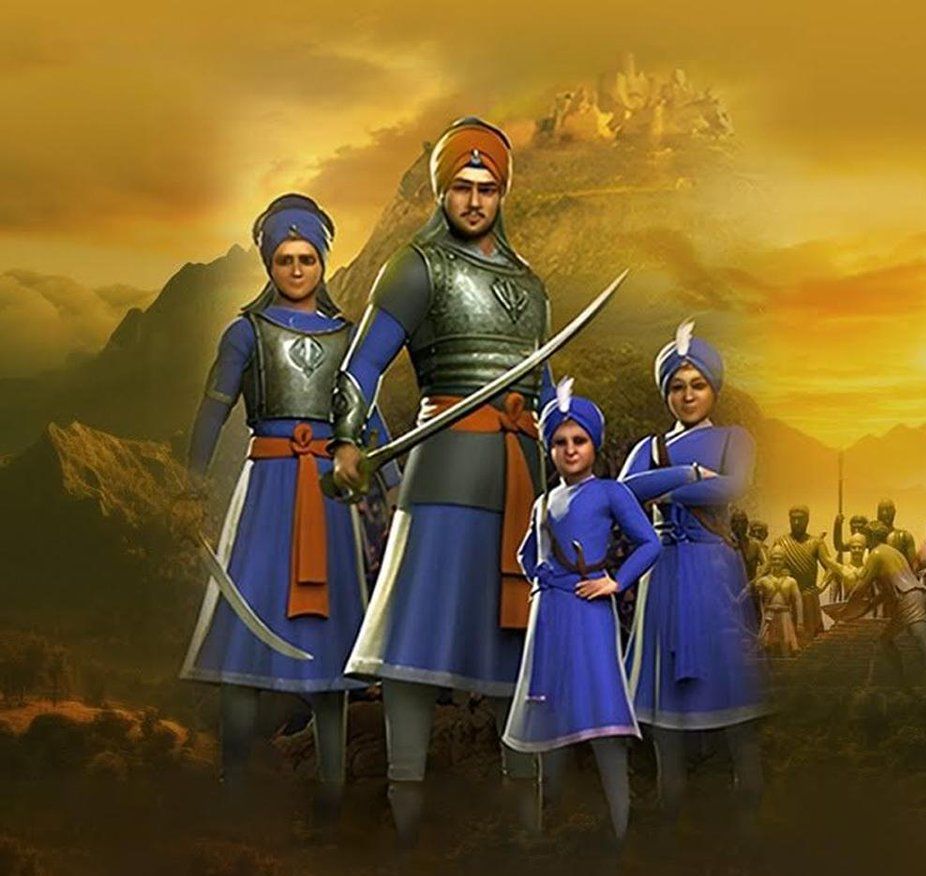
- Veer Bal Diwas (26 December) commemorates Sahibzada Zorawar Singh (age 9) and Sahibzada Fateh Singh (age 7), the youngest sons of the 10th Sikh Guru, Guru Gobind Singh Ji, who were martyred on 26 December 1704 for refusing to renounce their faith under coercion.
- India's history is replete with examples of conviction at a young age — from young freedom fighters like Khudiram Bose to Adi Shankara, who mastered the Vedas as a child — a legacy the PMRBP seeks to extend into the present.
- The PMRBP was instituted in 2019; since inception, 203 children have received the award.
- The award comprises a medal, a certificate, and a citation.
- It is administered by the Ministry of Women and Child Development (MoWCD), with the awards committee chaired by the Secretary, MoWCD, comprising domain experts, and final approval by the Union Minister for WCD.
- Bravery: selfless service at risk to one's own life; outstanding courage against adverse natural or man-made situations; or exceptional mental strength and presence of mind in the face of grave danger.
- Social Service: leadership in motivating, organising and mobilising community towards the rights of women, children and others.
- Environment: consistent efforts and achievements in environmental issues at various levels.
- Sports: consistent achievements at the national and international levels.
- Art and Culture: consistent efforts to promote cultural heritage and achievements in art, music, dance, painting or any other form at the national and international levels.
- Science and Technology: new developments or innovations that have positively impacted society or solved real-world challenges.
- Open to Indian citizen children resident in India, aged 5–18 years (as on 31 July 2026 for the 2026 cycle); must not be a previous awardee in any category.
- The qualifying act or achievement must have occurred within two years of the nomination deadline (31 July 2026).
- Not conferred posthumously, though exceptions are permitted.
- Nomination routes: self-nomination, nomination by individuals/institutions, or recommendation by designated authorities — Central/State Ministers, Governors, Lieutenant Governors, Administrators of UTs, MPs, Ministries/Departments, State and UT Governments, District Magistrates and Collectors, Principal Secretaries (Women & Child Development or Social Welfare), and schools under the Kendriya Vidyalaya Sangathan or Navodaya Vidyalaya Samiti.
- A child can be nominated for more than one category, but the committee has discretion to accept only one application. All nominations are submitted at awards.gov.in, with a maximum 1,000-word description of the achievement and its outcome.
- MoWCD covers round-trip economy travel, local transport, boarding, and lodging for the awardee and up to two parents/guardians; Divyang awardees may be provided business class tickets to minimise physical strain. The award must be received in person, barring posthumous cases or genuine inability to attend.
- Bravery — Karina Thapa (2024, saved 36 lives during a fire rescue); Aaditya Vijay Bramhane (2024, posthumous, died saving cousins from drowning).
- Science & Technology — Arnav Anupriya Maharshi (2025, AI-based rehabilitation tool for hand paralysis); Aditya Pratap Singh Chauhan (2023, “MICROPA” microplastic filter for drinking water).
- Social Service — Anoushka Jolly (2023, “Anti-Bullying Squad Kavach” app); Avnish Tiwari (2024, trekked to Everest Base Camp at age seven, advocate for inclusivity).
- Art & Culture — Armaan Ubhrani (Chhattisgarh's “Google Math Boy”); Hetvi Kantibhai Khimsuriya (living with cerebral palsy, created 250 free-hand paintings).
- Sports — Charvi A (India's No. 1 in girls' U-8 and U-10 chess); R Surya Prasad (scaled Mt. Kilimanjaro at age nine).
- The award's six-category structure captures a wide spectrum of achievement — not just bravery, but science, culture, sport, environment and social service — avoiding a narrow definition of “heroism.”
- Linking the ceremony to Veer Bal Diwas embeds the award in a historical-civilisational narrative, giving it symbolic depth beyond a routine state honour.
- The inclusion of differently-abled and disadvantaged children among awardees reflects a deliberately inclusive selection pattern, not merely able-bodied excellence.
- A broad-based, multi-channel nomination system (self-nomination, institutional, official) widens the funnel beyond elite or well-connected applicants.
- With 203 awardees since 2019 across a population of hundreds of millions of children, the scheme's reach is necessarily small and symbolic rather than systemic.
- Outcomes for awardees post-recognition — continued government support, mentorship, scholarship pathways — are not detailed in official material (Verification Required).
- Reliance on third-party/official nomination could disadvantage children outside institutional networks, despite the self-nomination route nominally being available.
- Strengthen outreach and awareness of the self-nomination route, particularly in remote and underserved regions, to ensure the award is not skewed toward urban or institutionally well-connected children.
- Consider post-award tracking mechanisms — mentorship, scholarships, or skill-development linkages — so the honour translates into sustained support rather than a one-time recognition.
- Periodic independent review of category-wise representation (geography, gender, disability, socio-economic background) to ensure the award continues to reflect India's diversity.
Q1. With reference to the Pradhan Mantri Rashtriya Bal Puraskar (PMRBP), consider the following statements: (1) It is presented annually by the Prime Minister of India. (2) It is conferred on Veer Bal Diwas, observed on 26 December. (3) The award can be conferred posthumously without exception. Which of the statements given above is/are correct?
A) 2 only B) 1 and 3 only C) 2 and 3 only D) 1, 2 and 3Q2. “Veer Bal Diwas” commemorates the martyrdom of which historical figures?
A) Bhagat Singh and Sukhdev B) Sahibzada Zorawar Singh and Sahibzada Fateh Singh C) Banda Singh Bahadur D) Guru Tegh BahadurQ3. (Assertion–Reasoning) Assertion (A): The PMRBP recognises children across six diverse categories rather than bravery alone. Reason (R): The award's design seeks to broaden the definition of childhood excellence beyond physical courage to include social, scientific, cultural and environmental contributions.
A) Both A and R are true, and R is the correct explanation of A B) Both A and R are true, but R is NOT the correct explanation of A C) A is true, R is false D) A is false, R is true

