Context and Key Finding
- A recent study reports that three Antarctic penguin species are breeding about two weeks earlier compared to a decade ago.
- This phenological shift coincides with a ~3°C rise in Antarctic temperatures between 2012 and 2022, highlighting rapid climate impacts in polar ecosystems.
- The findings are based on remote-controlled photographic monitoring of penguin colonies from 2010–2021.
Relevance
- GS 1: Climate change impacts on polar regions and global environmental systems.
- GS 3: Climate change, biodiversity loss, ecosystem disruption, and environmental conservation.
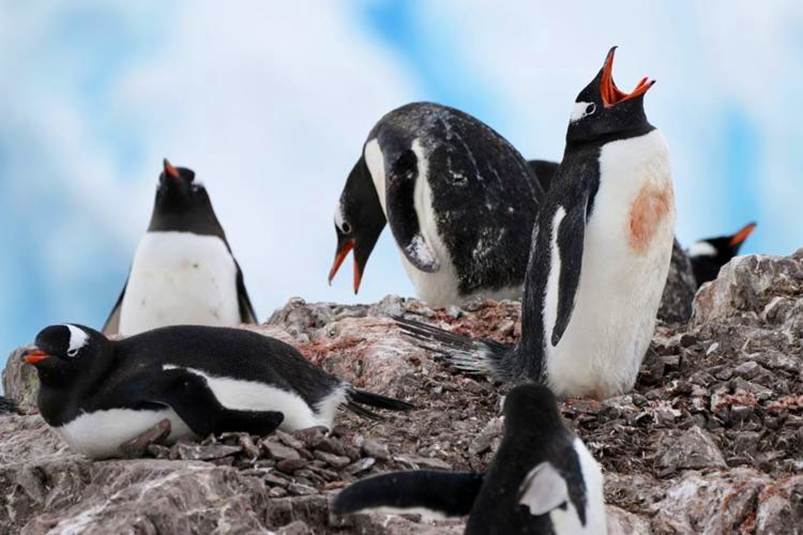
Penguin Species Affected
Species Showing Early Breeding
- Adélie penguin (Pygoscelis adeliae)
- Gentoo penguin (Pygoscelis papua)
- Chinstrap penguin (Pygoscelis antarcticus)
- These species showed a ~14-day advancement in breeding timing, one of the fastest documented shifts among vertebrates.
Why Timing Matters in Penguin Life Cycles ?
Dependence on Environmental Synchrony
- Penguins rely on precise alignment between:
- Breeding timing
- Food availability (krill, plankton, fish)
- Ice conditions and sea productivity
- Breeding too early or too late can reduce chick survival, as food availability peaks are narrow and climate-sensitive.
Comparison with Other Vertebrates
- Most vertebrates show similar phenological shifts over ~75 years, whereas Antarctic penguins have exhibited this shift in just 10 years.
Role of Antarctic Warming
Temperature Trends
- The Antarctic Peninsula is among the fastest-warming regions on Earth, with warming rates exceeding the global average.
- Western Antarctica has warmed significantly, altering:
- Sea-ice duration
- Snow melt timing
- Marine productivity cycles
Differential Species Response
- Gentoo penguins are more adaptable and benefit from reduced ice and diversified diets.
- Adélie and Chinstrap penguins are more ice-dependent and specialised, making them more vulnerable to ecosystem shifts.
Food Web Changes and Competition
Krill and Plankton Dynamics
- Warming waters and changing ice conditions affect krill abundance, the primary food source for many penguin species.
- Climate-driven plankton changes have:
- Increased food for some species (e.g., Gentoo)
- Reduced predictability for specialist feeders (Adélie, Chinstrap)
Interspecies Competition
- Gentoo penguins have expanded southward and now:
- Breed earlier
- Compete aggressively for nesting sites
- Displace Adélie penguins from traditional habitats
Observed Ecological Consequences
Population Trends
- Chinstrap penguin populations are declining globally, linked to food stress and habitat change.
- Adélie penguins show mixed trends—some colonies declining, others adapting locally.
- Gentoo penguins are increasing in number and range, benefiting from warmer conditions.
Chick Survival Risks
- Earlier breeding does not automatically imply higher success.
- If food availability shifts faster than breeding adaptation, phenological mismatch may reduce chick growth and survival.
Broader Climate Change Signals
Indicator Species
- Penguins act as sentinel species, reflecting broader changes in Antarctic marine ecosystems.
- Rapid breeding shifts indicate ecosystem-level stress, not isolated behavioural change.
Future Projections
- Climate models suggest continued acceleration of Antarctic warming, increasing risks of:
- Further phenological disruption
- Loss of ice-dependent species
- Ecosystem restructuring