Content
- Centre Seeking Smartphone Source Code
- Should the Age of Consent Be Lowered?
- Bhairav Battalions
- PSLV-C62 / EOS-N1 Mission
- HPV Vaccine and Herd Protection
- Zehanpora Stupas, Kashmir
Centre Seeking Smartphone Source Code
Why in News?
- Government is considering legally mandating security requirements for smartphones sold in India.
- Draft framework: Indian Telecom Security Assurance Requirements (ITSAR), 2023.
- Most contentious proposal:
- Access to smartphone source code for vulnerability analysis.
- Strong behind-the-scenes resistance from global manufacturers like Apple and Samsung.
- Ongoing consultations between IT Ministry and tech companies.
Relevance
GS II – Governance & Polity
- State regulation vs individual privacy.
- Role of executive rule-making.
- Digital sovereignty.
GS III – Internal Security & Science & Tech
- Cybersecurity.
- Supply-chain security.
- Technology regulation.
Basics: What is Source Code?
- Source code:
- Human-readable programming instructions that define how software functions.
- Considered:
- Core intellectual property (IP).
- Central to:
- Security architecture.
- Commercial competitiveness.
- Access risks:
- IP leakage.
- Reverse engineering.
- Loss of proprietary advantage.
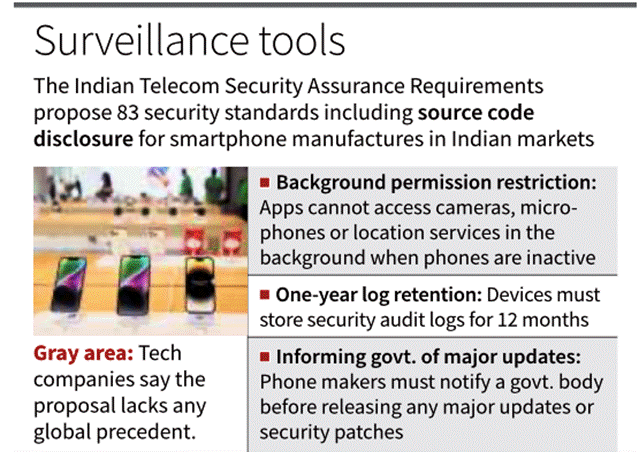
What Are the Proposed Security Measures?
Under ITSAR (Drafted 2023):
1. Source Code Access
- Smartphone makers must:
- Share source code (or parts) with designated Indian testing labs.
- Purpose:
- Vulnerability analysis
- Detection of hidden backdoors or security flaws.
2. Mandatory Malware Scanning
- Automatic and periodic malware scans on devices.
- Applies even after sale to consumers.
3. Data & Activity Logs
- Smartphones must:
- Store device activity records for at least one year.
- Raises concerns on:
- User privacy.
- Surveillance architecture.
Government’s Rationale
- Smartphones now:
- Handle critical personal, financial, and strategic data.
- Rising concerns:
- Cyber espionage.
- Supply-chain vulnerabilities.
- Embedded malware or backdoors.
- India’s position:
- Large digital population.
- Increasing reliance on foreign hardware/software.
- Seen as:
- National security and cyber sovereignty measure.
Industry Concerns
- IP Protection:
- Source code disclosure risks trade secrets.
- Global Precedent:
- Fear India becoming a high-compliance market.
- Trust Deficit:
- Storage and handling of code by government labs.
- Privacy Risks:
- Mandatory logging could violate:
- Data minimisation principles.
- User consent norms.
- Mandatory logging could violate:
Legal & Policy Dimensions
Cybersecurity
- Aligns with:
- National Cyber Security Strategy (proposed).
- Moves India towards:
- Pre-market security certification for devices.
Data Protection
- Potential conflict with:
- Digital Personal Data Protection Act, 2023:
- Purpose limitation.
- Storage limitation.
- Digital Personal Data Protection Act, 2023:
- Malware scanning and logging raise:
- State vs individual privacy tension.
Trade & WTO Issues
- Possible violation of:
- TRIPS Agreement (IP protection).
- Non-tariff trade barriers.
- Risk of:
- Retaliatory measures.
Global Comparison
- China:
- Extensive source-code audits for foreign tech.
- EU / US:
- Prefer:
- Security certification.
- Independent third-party audits.
- Do not routinely demand source code access.
- Prefer:
- India’s approach:
- More state-centric and interventionist.
Strategic Implications
- Positives:
- Enhanced device-level cybersecurity.
- Reduced dependence on opaque foreign systems.
- Risks:
- Reduced investor confidence.
- Higher device costs.
- Slower tech diffusion.
- Key question:
- Can security be ensured without intrusive code access?
Takeaway
- India’s proposal to seek smartphone source code reflects a shift towards assertive digital sovereignty, raising complex trade-offs between cybersecurity, privacy, and intellectual property rights.
Should the Age of Consent Be Lowered?
Why in News?
- Supreme Court (Jan 10, 2026) in State of Uttar Pradesh vs Anurudh & Anr.:
- Acknowledged misuse of POCSO, 2012 in consensual adolescent relationships.
- Urged the Union government to consider corrective measures.
- Rising number of POCSO cases involving 16–18-year-olds where the relationship is claimed to be consensual.
- Renewed debate on the conflict between adolescent autonomy and child protection.
Relevance
GS II – Polity & Governance
- Child rights vs individual liberty.
- Judicial interpretation of social legislation.
- Role of Parliament vs judiciary.
GS I – Society
- Adolescence, sexuality, social norms.
- Gender and family dynamics.
Basics: What Is the Age of Consent?
- Age of consent: Legally defined age at which a person can consent to sexual activity.
- In India:
- 18 years (gender-neutral).
- Anyone below 18 is a “child” → consent is legally irrelevant.
- Sexual activity with a minor = statutory rape, irrespective of consent.
Legal Framework in India
POCSO Act, 2012
- Defines all persons under 18 years as children.
- Section 19:
- Mandatory reporting of suspected offences.
- No distinction between:
- Consensual adolescent relationships.
- Exploitative sexual abuse.
IPC / Criminal Law
- Criminal Law (Amendment) Act, 2013:
- Raised age of consent from 16 → 18.
- Bharatiya Nyaya Sanhita (BNS), 2023:
- Section 63: Sexual acts with a woman under 18 constitute rape, with or without consent.
Distinction to Note
- Age of consent ≠ Age of marriage:
- Marriage: 18 (female), 21 (male).
- Consent law deals with sexual autonomy, not marital validity.
Historical Evolution of Age of Consent
- 1860 IPC: 10 years
- 1891: 12 years
- Later raised to 14, then 16
- 2012 (POCSO): Raised to 18
- Trend reflects:
- Increasing emphasis on child protection, not autonomy.
Arguments in Favour of Lowering the Age (to 16)
1. Criminalisation of Consensual Adolescence
- Large share of POCSO cases involve romantic relationships.
- Enfold study (2016–2020):
- 7,064 POCSO judgments analysed.
- 24.3% involved romantic relationships.
- 82% victims refused to testify against the accused.
2. Ground Reality of Adolescent Sexuality
- NFHS-4 (2015–16):
- 11% girls had first sexual experience before 15.
- 39% before 18.
- Law ignores biological and social realities.
3. Judicial Concerns
- Bombay HC (2023):
- Sexual autonomy includes both:
- Right to engage.
- Right to protection.
- Sexual autonomy includes both:
- Justice B.V. Nagarathna (SC, 2025):
- Romantic relationships near majority age should be treated differently.
- POCSO often used by parents to criminalise elopement.
4. Comparative Practice
- Many democracies (UK, Canada, EU):
- Age of consent: 16.
- Use “close-in-age” (Romeo–Juliet) exemptions.
Arguments Against Lowering the Age
1. Risk of Weakening Child Protection
- Majority of abuse cases involve:
- Known persons (family, neighbours, caregivers).
- MWCD Study (2007):
- Over 50% of abusers known to the child.
- Consent in such power-imbalanced relationships is often illusory.
2. Deterrence Against Exploitation
- Bright-line rule (under 18 = no consent):
- Avoids subjective interpretation.
- Simplifies enforcement.
- Dilution may:
- Enable trafficking.
- Mask coercion as “consent”.
3. Parliamentary & Expert Consensus
- Justice Verma Committee: Recommended 16, but Parliament chose 18.
- Standing Committees (2011, 2012):
- Rejected recognising minor consent.
- Law Commission (283rd Report, 2023):
- Lowering age would make POCSO a “paper law”.
Judicial Tightrope
- Courts acknowledge:
- Harsh impact of blanket criminalisation.
- Yet repeatedly affirm:
- Consent is legally immaterial under POCSO.
- Example:
- SC (Aug 2024):
- Overturned Calcutta HC acquittal in a POCSO case involving a 14-year-old.
- Conviction upheld; sentence waived under Article 142 (not precedent).
- SC (Aug 2024):
The Core Policy Dilemma
- Adolescent autonomy vs Child protection.
- Binary choice (18 vs 16) is inadequate.
- Real issue:
- Distinguishing consensual peer relationships from exploitative abuse.
Middle-Path Solutions
- No blanket reduction of age of consent.
- Introduce:
- Close-in-age exemption for 16–18-year-olds (e.g., ≤3–4 years gap).
- Mandatory judicial scrutiny for coercion or abuse.
- Complement legal reform with:
- Comprehensive sex education.
- Adolescent-friendly reproductive health services.
- Gender-sensitive policing and counselling.
Takeaway
- The age-of-consent debate is not about lowering protection, but about recalibrating the law to distinguish adolescent autonomy from exploitation without diluting the core safeguards of child protection.
Bhairav Battalions
Why in News?
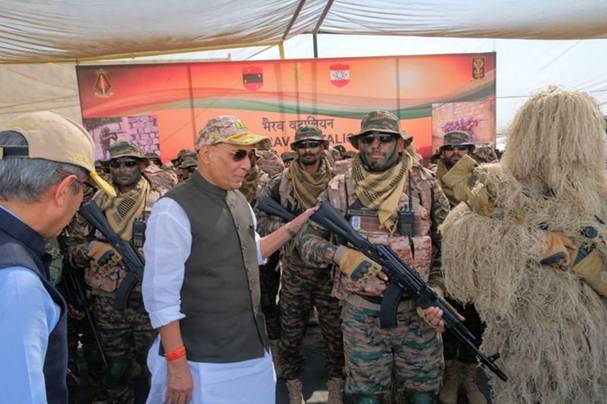
- Bhairav Battalions will debut in the Army Day Parade (15 January, Jaipur).
- Two units participating:
- 2 Bhairav Battalion (Southern Command) – “Desert Falcons”.
- 4 Bhairav Battalion (South Western Command).
- Marks India Army’s visible shift towards modern, technology-driven warfare.
Relevance
GS III – Internal Security
- Modernisation of armed forces.
- Emerging warfare domains (drones, hybrid warfare).
Basics: What are Bhairav Battalions?
- Newly raised, high-speed offensive units of the Indian Army.
- Designed to:
- Execute Special Forces–like tasks.
- Operate from tactical to operational depth.
- Intended to bridge the gap between:
- Para Special Forces (elite, limited numbers).
- Regular infantry (large but less specialised).
Why Were Bhairav Battalions Raised?
Changing Nature of Warfare
- Modern conflicts are:
- Hybrid (conventional + irregular + cyber + drones).
- Technology-intensive.
- Lessons drawn from:
- Global conflicts (Ukraine, West Asia).
- India’s operational experience, including Operation Sindoor.
Operational Gaps Identified
- Need for:
- Faster, more lethal units than regular infantry.
- Wider availability of special-operations capability without overstretching Para SF.
Key Features of Bhairav Battalions
- High-speed offensive orientation.
- Capable of:
- Precision strikes.
- Deep penetration missions.
- Disruption of enemy bases and formations.
- Flexible employment:
- Tactical raids.
- Operational-level missions.
Technology & Drone Warfare Focus
- Integral to Army’s unmanned warfare push.
- Indian Army creating:
- Pool of over 1 lakh drone operatives.
- Bhairav units trained to:
- Operate UAVs.
- Conduct drone-based reconnaissance, targeting, and strikes.
- Reflects shift from:
- Man-centric → man–machine teaming.
Force Restructuring Context
Bhairav Battalions
- 15 battalions raised so far.
- Target: ~25 battalions in near future.
- Deployed across border formations.
Rudra Brigades (Parallel Reform)
- Integrated all-arms formations.
- Combine:
- Infantry.
- Mechanised units.
- Tanks.
- Artillery.
- Special Forces.
- Unmanned systems.
- Dedicated logistics and combat support.
- Aim:
- Faster mobilisation.
- Higher lethality.
- Integrated battlefield response.
Place in India’s Military Doctrine
- Aligns with:
- Theatre-level readiness.
- Integrated Battle Groups (IBGs) concept.
- Enhances:
- Offensive deterrence.
- Rapid response along borders.
- Reduces dependence on:
- Limited Para SF units for routine special operations.
Strategic Significance
- Signals:
- Transition to next-generation land warfare.
- Improves India’s:
- Offensive capability without escalation dominance.
- Ability to respond swiftly in grey-zone conflicts.
- Supports:
- Credible deterrence against both western and northern adversaries.
Challenges & Cautions
- High training and technology costs.
- Command and control integration with:
- Infantry.
- Special Forces.
- Air and drone assets.
- Avoiding dilution of Para SF’s elite role.
Takeaway
- Bhairav Battalions represent the Indian Army’s shift towards agile, technology-enabled offensive forces, bridging the gap between conventional infantry and Special Forces in an era of hybrid warfare.
PSLV-C62 / EOS-N1 Mission
Why in News?
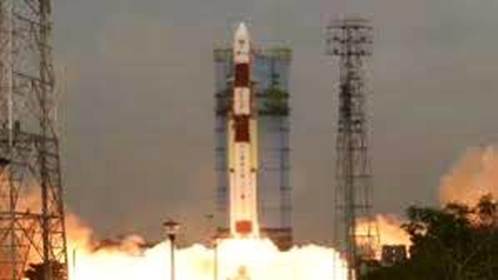
- ISRO commenced the 22.5-hour countdown for PSLV-C62 / EOS-N1 mission.
- Launch scheduled at 10:17 a.m. from Sriharikota.
- Mission highlights:
- Strategic Earth Observation satellite (EOS-N1).
- 15 co-passenger satellites from Indian start-ups, academia, and foreign partners.
- Commercial launch by NewSpace India Limited (NSIL).
- PSLV-DL variant with PS4 stage restart and controlled re-entry.
Relevance
GS III – Science & Technology
- Space technology.
- Launch vehicles.
- Earth observation satellites.
GS III – Security
- Strategic surveillance.
- Dual-use space assets.
Basics: What is PSLV?
- Polar Satellite Launch Vehicle (PSLV):
- ISRO’s workhorse launch vehicle.
- Optimised for Sun-Synchronous Orbits (SSO) and LEO.
- Known for:
- High reliability.
- Multi-satellite launch capability.
PSLV Variants
- PSLV-CA: Core Alone.
- PSLV-DL: Dual strap-on motors.
- PSLV-QL: Four strap-ons.
- PSLV-XL: Six strap-ons (heavy-lift PSLV).
Mission Profile: PSLV-C62
- 64th PSLV flight.
- 5th PSLV-DL mission.
- 105th launch from Sriharikota.
- Launch pad: First Launch Pad.
- Orbit:
- Sun-Synchronous Orbit (SSO).
Primary Payload: EOS-N1
- Earth Observation Satellite.
- Purpose:
- Strategic surveillance and imaging.
- Users:
- National security.
- Strategic planning.
- Reinforces:
- India’s space-based intelligence, surveillance, and reconnaissance (ISR) capability.
Co-Passenger Satellites: Key Features
- 15 small satellites.
- Developed by:
- Indian start-ups (Dhruva Space, TakeMe2Space, OrbitAid).
- Academic institutions.
- Foreign partners (Thailand-UK, Brazil, Nepal, Spain-France).
- Examples:
- Theos-2 (Thailand-UK EO satellite).
- CGUSAT, DSUSAT, MOI-1, LACHIT (Indian start-ups).
- Munal (Nepal–India collaboration).
- KID Capsule (Spain–France re-entry experiment).
What is Special About This Mission?
1. Commercialisation via NSIL
- Mission operated by NewSpace India Limited.
- Reflects:
- Shift from ISRO as operator → ISRO as enabler.
- Supports:
- India’s space economy expansion.
2. Start-up & Academic Participation
- Strong representation of:
- Indian private space ecosystem.
- Encourages:
- Innovation.
- Indigenous space manufacturing.
3. PS4 Stage Restart & Re-entry
- PS4 stage restarted post satellite deployment.
- Purpose:
- Controlled de-orbiting.
- Space debris mitigation.
- Both PS4 stage and KID Capsule:
- Re-enter Earth’s atmosphere.
- Impact zone: South Pacific Ocean.
What is Sun-Synchronous Orbit (SSO)?
- Near-polar orbit.
- Satellite passes over same location at same local solar time.
- Ideal for:
- Earth observation.
- Remote sensing.
- Environmental monitoring.
Strategic & Policy Significance
- Enhances:
- National security surveillance.
- Space situational responsibility (debris mitigation).
- Aligns with:
- Indian Space Policy 2023.
- IN-SPACe–driven private participation.
- Strengthens India’s:
- Position as reliable global launch service provider.
Takeaway
- PSLV-C62 reflects India’s mature space capabilities, combining strategic surveillance, commercial launches, start-up participation, and responsible space operations in a single mission.
HPV Vaccine & Herd Protection
Why in News?
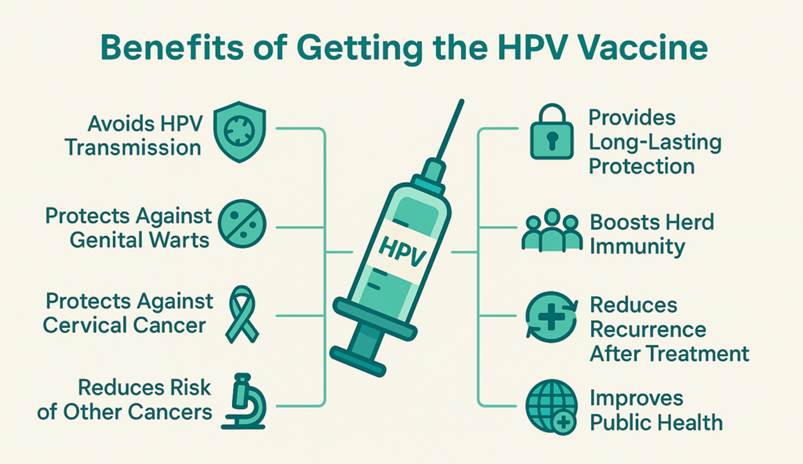
- A large Swedish population-based study shows school-based HPV vaccination provides herd protection, reducing cervical cancer even among unvaccinated women.
- Evidence strengthens the case for including HPV vaccine in India’s Universal Immunisation Programme (UIP).
- Relevant as India is planning school-based HPV vaccination (ages 9–14).
Relevance
GS II – Governance & Social Justice
- Public health policy.
- Universal Immunisation Programme.
- Women’s health.
GS III – Science & Technology / Health
- Preventive healthcare.
- Vaccine science.
- Disease elimination strategies.
Basics: What is HPV?
- Human Papillomavirus (HPV):
- Sexually transmitted virus.
- >200 types identified.
- High-risk strains (notably HPV-16, HPV-18) cause:
- ~95% of cervical cancer.
- Also linked to:
- Anal, oropharyngeal, penile cancers.
- Genital warts (low-risk strains).
Cervical Cancer: India Burden
- 2nd most common cancer among Indian women.
- Annual impact:
- ~1.25 lakh new cases
- ~75,000 deaths
- Disproportionately affects:
- Low-income, low-screening populations.
What is Herd Protection?
- When high vaccination coverage reduces overall virus circulation.
- Protects:
- Unvaccinated individuals.
- Especially relevant for sexually transmitted infections when transmission chains are disrupted.
Key Findings of the Swedish Study
- Cohort:
- Women born 1989–2000.
- Vaccination coverage:
- Rose from 25% → 80% via school-based programmes.
- Results:
- Significant reduction in precancerous cervical lesions.
- Even unvaccinated women benefited if community coverage was high.
- Critical thresholds:
- ≥70% coverage → visible herd effects.
- ~90% coverage → optimal protection.
Why School-Based Vaccination Works ?
- Early age (9–14):
- Vaccination before sexual debut → maximum efficacy.
- School-based delivery:
- Higher coverage.
- Lower dropout.
- Equity across socio-economic groups.
- Cost-effective at population scale.
HPV Vaccine: Scientific & Medical Aspects
- Type: Preventive, not therapeutic.
- Effectiveness:
- Nearly 100% protection against HPV-16/18-related precancerous lesions.
- Limitation:
- Does not eliminate need for screening (Pap smear / HPV DNA test).
- No proven herd immunity evidence yet in India, but established in:
- Sweden
- UK
- Australia.
India’s Current Position
- Indigenous vaccine:
- CERVAVAC developed by Serum Institute of India.
- Policy direction:
- Govt considering routine immunisation inclusion.
- Proposed age group: 9–14 years.
- Challenges:
- Awareness gaps.
- Vaccine hesitancy.
- Need for adolescent health infrastructure.
Public Health Significance
- Shifts cervical cancer control from:
- Late-stage treatment → Primary prevention.
- Reduces:
- Screening burden.
- Long-term oncology costs.
- Aligns with:
- WHO Cervical Cancer Elimination Strategy:
- 90% vaccination
- 70% screening
- 90% treatment.
- WHO Cervical Cancer Elimination Strategy:
Ethical & Social Dimensions
- Gender equity:
- Protects women disproportionately affected.
- Intergenerational benefit:
- Herd protection amplifies social returns.
- Justice argument:
- Preventable cancer → moral obligation of the State.
Takeaway
- High-coverage, school-based HPV vaccination can generate herd protection, making cervical cancer a largely preventable disease and strengthening the case for its inclusion in India’s universal immunisation strategy.
Zehanpora Stupas, Kashmir
Why in News?
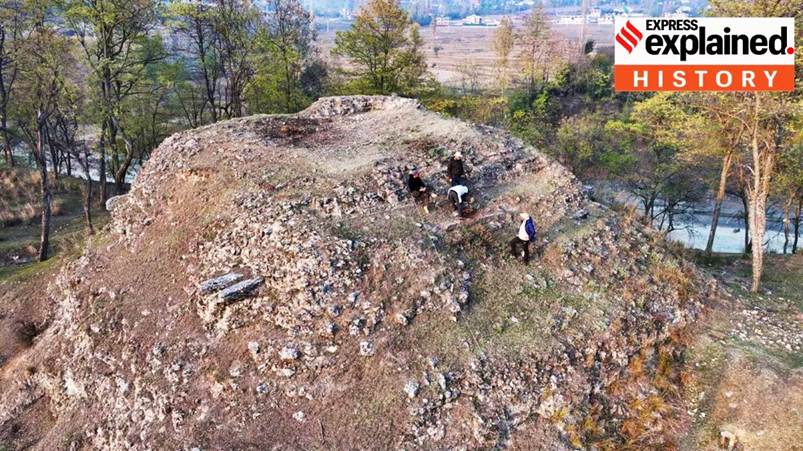
- Archaeological discovery of ancient Buddhist stupas at Zehanpora, Baramulla (J&K).
- Site mentioned by Prime Minister in Mann Ki Baat.
- Excavations suggest structures dating back to the Kushan period (≈2,000+ years old).
- Reinforces Kashmir’s overlooked Buddhist heritage.
Relevance
GS I – Art & Culture / History
- Buddhism in India.
- Kushan period.
- Stupa architecture.
GS I – Indian Society
- Cultural pluralism.
- Historical continuity in Kashmir.
Basics: What are Stupas?
- Stupa:
- Buddhist commemorative structure.
- Houses relics of the Buddha or monks.
- Core elements:
- Anda (hemispherical mound)
- Harmika
- Chhatra
- Functions:
- Religious worship.
- Symbol of Buddha’s enlightenment and Mahaparinirvana.
Location & Site Details
- Zehanpora village, near Baramulla town, north Kashmir.
- Spread across 10+ acres.
- Landscape:
- Plateau-like mound.
- Reduced over centuries due to:
- Floods.
- Canal digging (1970s).
- Long mistaken as natural earth mounds.
Archaeological Findings
- Multiple earthen mounds forming a stupa complex.
- Evidence suggests:
- Wooden superstructure over stone base.
- Site used as winter halt for monks.
- Methods used:
- Modern archaeological tools.
- Drones and remote sensing.
Dating & Historical Context
- Estimated age: ~2,000 years.
- Period:
- Kushan Empire (1st–3rd century CE).
- Kushans known for:
- Patronage of Buddhism.
- Trade along Silk Route.
- Gandhara art tradition.
Buddhism in Kashmir: Historical Background
- Introduced during:
- Mauryan period (Ashoka) — traditional belief.
- Major expansion under:
- Kanishka (Kushan ruler).
- Kashmir’s role:
- Scholarly centre of Buddhism.
- Transmission point to Central Asia and China.
- Buddhist councils:
- 4th Buddhist Council traditionally associated with Kashmir (per some sources).
Why Zehanpora is Significant ?
- Adds to known Buddhist sites:
- Harwan
- Kanispora
- Ushkur
- Hutmur
- Semthan
- Confirms:
- Dense Buddhist settlement in north Kashmir.
- Shows:
- Kashmir as a monastic and trade hub, not peripheral region.
Global Link: France Connection
- Photograph of Zehanpora site found in French museum archives.
- Indicates:
- Colonial-era documentation.
- Early European scholarly interest.
- Reflects:
- Global dispersal of Indian archaeological records.
Cultural & Civilisational Significance
- Challenges narrative of Kashmir as only:
- Shaivite or Islamic heritage region.
- Highlights:
- Pluralistic religious history.
- Cultural continuity across centuries.
- Strengthens:
- Buddhist civilisational map of India.
Governance & Heritage Implications
- Need for:
- Site protection.
- Scientific excavation.
- Heritage tourism integration.
- Aligns with:
- Cultural revival initiatives.
- Soft power diplomacy via Buddhism.
Takeaway
- The Zehanpora stupa complex reaffirms Kashmir’s role as a major Buddhist centre during the Kushan period, highlighting the region’s deep civilisational pluralism and strategic position in ancient trans-Asian networks.