
Content
- India–EU FTA Finalised: Sectoral Gains, Market Access, and Strategic Trade Reset
- Syria’s Kurdish Regions: Autonomy, Conflict, and Geopolitics
- Supreme Court on Acid Attacks: Asset Seizure, Victim Compensation, and Deterrence
- India–EU Free Trade Agreement (FTA): Anchoring Indian Manufacturers into Global Value Chains
- Republic Day 2026 & the Bactrian Camel
India–EU FTA Finalised: Sectoral Gains, Market Access, and Strategic Trade Reset
Why is it in News?
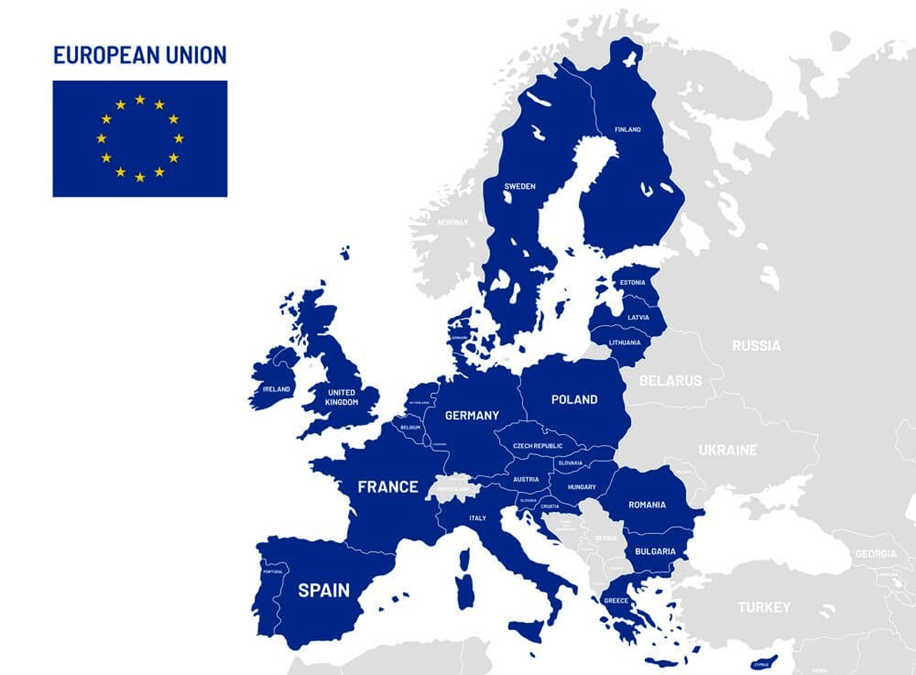
- India and the European Union have finalised the India–EU Free Trade Agreement, described as the “mother of all deals”, marking India’s most comprehensive trade pact with a major developed bloc.
- The agreement delivers deep tariff liberalisation in goods and services, covering economies that together account for ~25% of global GDP, with major implications for exports, jobs, and value chains.
Relevance
GS Paper 2 (International Relations)
- India–EU strategic partnership, trade diplomacy, economic agreements
- Role of FTAs in India’s foreign policy and multipolar global order
- India–EU relations in a protectionist and fragmented global trade system
GS Paper 3 (Indian Economy)
- External sector, exports–imports, trade balance
- Impact of FTAs on MSMEs, employment, and value chains
- Manufacturing, services trade, Make in India, export competitiveness
Scale and Coverage of the Agreement
Overall Trade Architecture
- The FTA covers trade in goods, services, and investments, with unprecedented depth compared to India’s earlier FTAs, especially with developed economies.
- It aims to structurally integrate Indian producers into European and global value chains, beyond short-term export gains.
Market Access for Indian Exports
Zero-Duty Access for Labour-Intensive Sectors
- Labour-intensive sectors worth ₹2.87 lakh crore (~$33 billion) in exports, currently facing EU duties of 4%–26%, will enter zero duty from entry into force.
- These sectors are critical for employment generation, particularly for MSMEs, women workers, and export clusters.
Sectors with Complete Duty Elimination
- Marine products face duties up to 26%, chemicals 12.8%, plastic and rubber 6.5%, and leather footwear 17%, all eliminated fully.
- Textiles and apparel (12%), base metals (10%), gems and jewellery (4%), furniture (10.5%), and toys and sports goods (4.7%) gain full duty-free access.
Partial Tariff Reductions
- An additional 6% of India’s exports will see tariff reductions, including poultry products, preserved vegetables, bakery items, and processed foods.
- Select marine and processed food products gain incremental access beyond zero-duty categories.
Services Market Access for India
EU Commitments
- The EU has committed market access across 144 services sub-sectors, covering IT/ITeS, professional services, education, and other business services.
- This strengthens India’s position as a global services hub, complementing goods exports with high-value services trade.
What India Has Conceded to the EU ?
Tariff Line Liberalisation
- India will eliminate or reduce duties on 92.1% of tariff lines, covering 97.5% of EU exports to India.
- 49.6% of tariff lines will see immediate duty elimination once the agreement comes into force.
Phased Liberalisation
- 39.5% of tariff lines will undergo phased tariff elimination over 5, 7, and 10 years, allowing domestic industry adjustment.
- An additional 3% of products will see gradual tariff reductions, not full elimination.
EU Export Gains in Indian Market
High-Technology and Capital Goods
- EU exporters gain duty-free access for machinery, electrical equipment, aircraft, spacecraft, optical and medical devices.
- Imports of high-tech EU goods are expected to reduce input costs, improve productivity, and support Indian manufacturing competitiveness.
Core Industrial and Consumer Sectors
- Chemicals, plastics, pharmaceuticals, motor vehicles, iron and steel, precious metals, and select agricultural products gain improved access.
- These imports are expected to diversify India’s sourcing, lowering dependency on limited supplier geographies.
Services Access for the EU in India
Indian Commitments
- India has opened 102 services sub-sectors aligned with EU priorities, including professional, business, telecom, maritime, financial, and environmental services.
- This is expected to attract investment, technology transfer, and best practices into India’s services ecosystem.
Sensitive Sectors and Negotiated Compromises
Automobiles and Wine
- Negotiations on automobiles and wine were contentious due to domestic sensitivities and political economy concerns.
- Both sides agreed on quota-based access systems, balancing market opening with protection of domestic producers.
Economic and Strategic Implications
Manufacturing and GVC Integration
- Zero-duty access for key export sectors anchors Indian manufacturers into European supply chains, supporting Make in India and export-led growth.
- Lower-cost imports of high-end machinery improve industrial upgrading and competitiveness.
Employment and MSMEs
- Labour-intensive export expansion supports job creation, especially in textiles, leather, marine products, gems, and furniture sectors.
- MSMEs gain stable access to a large, high-income consumer market.
Challenges and Caveats
- Compliance with EU standards on environment, labour, SPS, and technical regulations may strain MSMEs without adequate domestic capacity-building.
- Phased tariff elimination requires active industrial policy support to prevent import surges from harming vulnerable sectors.
Way Forward
Domestic Readiness
- Strengthen standards infrastructure, export finance, skilling, and logistics to fully leverage FTA gains.
- Align the FTA with PLI schemes, MSME support, and trade facilitation reforms.
Strategic Trade Positioning
- Use the India–EU FTA as a platform to reposition India as a reliable manufacturing and services partner in a fragmented global trade order.
Conclusion
- The India–EU FTA represents a structural shift in India’s trade strategy, combining deep market access, services liberalisation, and value-chain integration.
- Its success will depend on domestic preparedness, regulatory capacity, and the ability to translate tariff preferences into sustained competitiveness.
Syria’s Kurdish Regions: Autonomy, Conflict, and Geopolitics
Why is it in News?
- Renewed fighting erupted in northeast Syria between government forces and the Kurdish-led Syrian Democratic Forces (SDF), threatening to dismantle Kurdish autonomy built since the 2011 civil war.
- The conflict follows the collapse of Bashar al-Assad’s regime (December 2024) and stalled negotiations between interim leader Ahmed al-Sharaa and Kurdish authorities over autonomy and integration.
Relevance
GS Paper 2 (International Relations)
- West Asia geopolitics, internal conflicts and regional stability
- Role of non-state actors (SDF, militias) in international politics
- Foreign interventions: Türkiye, U.S., regional power dynamics
GS Paper 1 (World Geography & Society)
- Ethnic groups (Kurds), identity politics, regional autonomy movements
- Political geography of West Asia
Location and Strategic Importance
Kurdish Regions of Syria (Rojava)
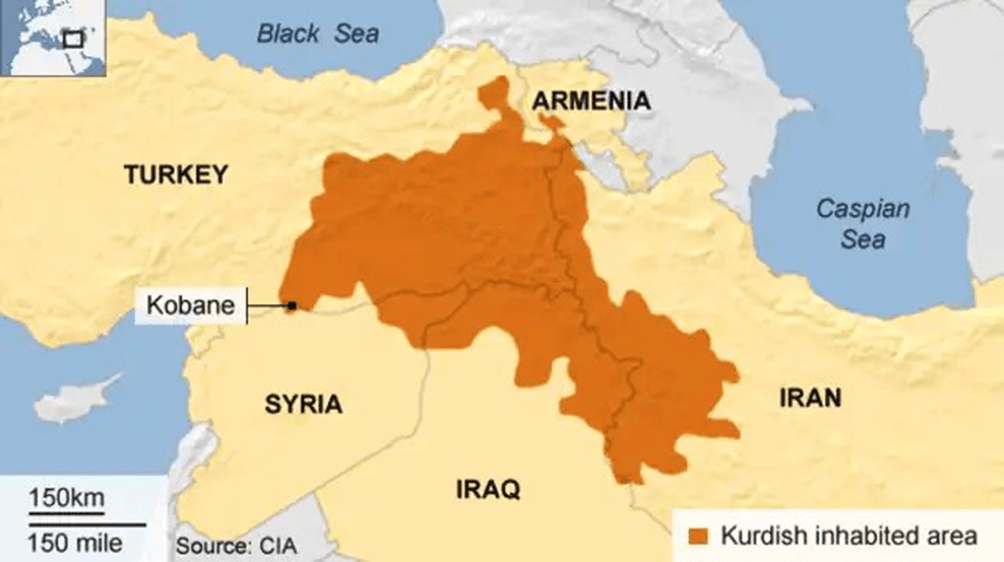
- Syria’s Kurdish-populated regions lie in the north and northeast, bordering Türkiye, Iraq, and the Euphrates basin, making them geopolitically sensitive and resource-rich.
- These areas include Kobane, Qamishli, al-Hassaka, Raqqa, and Deir al-Zour, controlling key border crossings, oil fields, and agricultural zones.
Who Are Syria’s Kurds?
Demography and Political Aspirations
- Kurds constitute roughly 10% of Syria’s population and have long demanded autonomy in Kurdish-majority regions, citing historical marginalisation by Damascus.
- Following the Syrian army’s withdrawal in 2012, Kurdish groups established self-rule through local councils, militias, and parallel administrative institutions.
Supreme Court on Acid Attacks: Asset Seizure, Victim Compensation, and Deterrence
Why is it in News?
- In January 2026, the Supreme Court of India recommended seizure and auction of assets of convicted acid attackers to compensate victims and strengthen deterrence.
- The Court urged the Centre to consider legislative interventions, calling acid attacks crimes warranting extraordinary punitive measures beyond routine sentencing.
Relevance
GS Paper 2 (Polity & Governance)
- Supreme Court’s role in law-making through judicial activism
- Victim compensation, access to justice, rule of law
- Federal coordination between Centre and States
GS Paper 1 (Indian Society)
- Gender-based violence, crimes against women
- Social justice, dignity, and human rights
Constitutional and Legal Context
Acid Attacks in Indian Criminal Law
- Acid attacks are punishable under Sections 326A and 326B of IPC, prescribing minimum 10 years imprisonment, extendable to life, with mandatory fine for victim treatment.
- Despite statutory provisions, low conviction rates and prolonged trials weaken deterrence, necessitating innovative judicial and legislative responses.
Victim Compensation Jurisprudence
- The ruling reinforces Article 21 (Right to Life with Dignity) by prioritising victim rehabilitation, medical care, and economic security over purely retributive justice.
Supreme Court’s Key Observations
Asset Seizure as Deterrence
- The Court observed that punishment without economic consequences fails to deter acid attacks, especially against women and children, making asset confiscation essential.
- It recommended probing convicts’ assets, imposing embargoes, and creating third-party rights restrictions to ensure enforceable victim compensation.
Beyond Conventional Sentencing
- Acid attacks were described as crimes requiring “extremely painful state action”, as ordinary imprisonment alone does not reflect the gravity of lifelong physical and psychological harm.
Governance and Administrative Dimensions
Role of States and Police
- States were directed to submit year-wise data on acid attacks, including charge sheets, convictions, pending appeals, and rehabilitation details of survivors.
- Police were instructed to investigate financial assets of accused persons, ensuring transparency and enforceability of compensation orders.
Legal Aid and Access to Justice
- The Court assured best legal representation for the survivor, directing appointment of senior advocates to address systemic access-to-justice barriers.
Social and Ethical Dimensions
Gender Justice and Vulnerable Groups
- Acid attacks disproportionately affect women, often targeting autonomy, identity, and dignity, transforming the crime into a gendered form of violence.
- The ruling aligns with substantive equality, recognising structural vulnerabilities rather than treating crimes as isolated individual acts.
Survivor-Centric Justice
- Emphasis on compensation reflects a shift from accused-centric criminal law to survivor-centric restorative justice, acknowledging lifelong trauma, disability, and social exclusion.
Data and Evidence Highlighted by the Court
- High Courts reported highest pending acid attack cases in Uttar Pradesh (198), followed by West Bengal (160), Gujarat (114), Bihar (68), and Maharashtra (58).
- Persistent pendency indicates implementation gaps despite existing legal frameworks and Supreme Court guidelines on acid regulation and victim support.
Challenges and Gaps
Enforcement and Capacity Issues
- Many perpetrators belong to economically weaker sections, limiting recoverable assets and challenging the practical effectiveness of asset auction mechanisms.
- Weak monitoring of acid sale regulations and inconsistent rehabilitation schemes dilute preventive and restorative outcomes.
Federal and Institutional Coordination
- Absence of uniform survivor rehabilitation schemes across States results in unequal access to medical, legal, and economic support.
Way Forward
Legislative and Policy Reforms
- Enact explicit provisions for mandatory asset confiscation and auction in acid attack convictions, similar to economic offence frameworks.
- Strengthen Victim Compensation Schemes with guaranteed minimum payouts, inflation indexing, and long-term livelihood rehabilitation.
Preventive and Regulatory Measures
- Enforce strict licensing, tracking, and digital monitoring of acid sales, coupled with awareness campaigns and rapid-response medical protocols.
Conclusion
- The Supreme Court’s intervention marks a shift from symbolic punishment to economically enforceable justice, reinforcing deterrence and survivor dignity.
- Translating judicial intent into legislative action and administrative capacity is critical to eliminating acid violence and ensuring meaningful justice.
India–EU Free Trade Agreement (FTA): Anchoring Indian Manufacturers into Global Value Chains
Why is it in News?
- Industry bodies and CII have highlighted that the India–EU FTA will anchor Indian manufacturers into global value chains, following its conclusion at the 16th India–EU Summit (January 2026).
- The FTA is projected to deepen trade engagement between two major economies accounting for ~25% of global GDP, with significant implications for manufacturing, exports, and MSMEs.
Relevance
GS Paper 3 (Indian Economy)
- Manufacturing growth, industrial policy, GVC integration
- MSMEs, export-led growth, employment generation
- Technology transfer, logistics, productivity enhancement
GS Paper 2 (International Relations)
- Trade as a strategic tool in diplomacy
- India–EU economic cooperation amid China-plus-one strategy
Strategic Importance of FTA for Manufacturing
Global Value Chain (GVC) Integration
- The FTA reduces tariff and non-tariff barriers, enabling Indian manufacturers to integrate into European production networks, moving from low-value assembly to higher value-added stages.
- Predictable market access enhances India’s attractiveness as a manufacturing base for firms seeking China-plus-one and resilient supply chain strategies.
Market Access and Tariff Liberalisation
Zero-Duty Access to EU Market
- The textiles and clothing sector gains zero-duty access across all tariff lines, opening the EU’s $263.5 billion import market to Indian exporters.
- Phased tariff reduction on automobiles and auto components enhances long-term competitiveness while allowing domestic industry adjustment and technology absorption.
Sector-Specific Manufacturing Gains
Textiles and Apparel
- Zero-duty access is expected to drive 20–25% annual export growth, compared to the current ~3% EU market growth rate, boosting yarn, garments, and home textiles.
- Labour-intensive manufacturing expansion directly benefits MSMEs, women workers, and export clusters, strengthening inclusive industrialisation.
Automobiles and Engineering
- Gradual tariff reduction on fully built units and components influences investment decisions, encouraging localisation, platform manufacturing, and future exports to Europe.
- Automotive OEMs view the FTA as strategically aligning Make in India with global standards, emissions norms, and advanced manufacturing practices.
Technology, Services, and Manufacturing Linkages
Technology Transfer and Services Embedded Manufacturing
- Improved access for IT, engineering, and technology services supports advanced manufacturing, Industry 4.0 adoption, and digital integration of factories.
- Cross-border provision of services and easier professional mobility strengthens manufacturing–services convergence, critical for global competitiveness.
Pharmaceutical and Medical Manufacturing
API and Value-Added Medicines
- Near-zero tariff access improves India’s position in formulations, APIs, and value-added medicines within the EU, enhancing scale and regulatory credibility.
- Pharmaceutical exports gain structural competitiveness, supporting India’s role as a reliable supplier in global healthcare value chains.
MSMEs and Long-Term Industrial Impact
MSME Integration into GVCs
- The FTA enables MSMEs to participate in long-term contract manufacturing, reducing entry barriers to European markets through stable demand and standards alignment.
- Enhanced access improves productivity, compliance capabilities, and export diversification beyond traditional markets.
Geopolitical and Strategic Context
- Amid rising protectionism and geopolitical fragmentation, the FTA strengthens India–EU economic trust and reduces vulnerability to unilateral trade actions elsewhere.
- Diversified export destinations enhance India’s external sector resilience and strategic autonomy in global trade governance.
Challenges and Caveats
- Compliance with stringent EU standards on environment, labour, and product quality may strain MSMEs without adequate skilling, finance, and standards infrastructure.
- Benefits will be uneven unless domestic manufacturing upgrades keep pace with global competition and regulatory expectations.
Way Forward
Domestic Preparedness
- Strengthen standards infrastructure, export credit, cluster-based skilling, and technology upgrading to ensure manufacturers fully leverage FTA market access.
Strategic Industrial Policy
- Align the FTA with PLI schemes, Make in India, and logistics reforms to convert tariff access into durable manufacturing competitiveness.
Conclusion
- The India–EU FTA is not merely a trade agreement but a structural lever for embedding Indian manufacturing into global value chains.
- Its success will depend on domestic capability-building, MSME readiness, and strategic alignment between trade policy and industrial transformation.
Republic Day 2026 & the Bactrian Camel
Why is it in News?
- On Republic Day 2026, two Bactrian camels named ‘Galwan’ and ‘Nubra’ marched on Kartavya Path, highlighting India’s civilisational links with Central Asia.
- The camels feature in the Animal Contingent alongside Zanskar ponies and indigenous Army dogs, led by the Remount & Veterinary Corps, emphasising indigenous and frontier ecologies.
Relevance
GS Paper 1 (Indian Culture & History)
- Silk Road, trans-Eurasian trade routes
- Cultural exchanges between India, Central Asia, and China
- Historical mobility of goods, ideas, and religions
GS Paper 1 (Geography – Physical & Human)
- Adaptation of species to extreme environments
- Human–animal–environment interaction in desert economies
India–Ladakh–Silk Road Connection
Ladakh as a Civilisational Crossroads
- Ladakh, the only region in India with Bactrian camels, was historically an independent kingdom connected to trans-Eurasian Silk Road trade networks.
- The region linked India with China, Central Asia, Persia, and West Asia, facilitating exchanges of goods, ideas, religions, and technologies across harsh geographies.
Evolution and Classification of Camels
Camelid Evolution
- The camelid family comprises three genera and seven species, with Camelus dromedarius (single-humped) and Camelus bactrianus (double-humped) as domesticated species.
- Genetic studies identify Camelus ferus as a distinct wild species, a cousin rather than ancestor of the domesticated Bactrian camel.
Domestication and Geographic Origins
- The Bactrian camel was domesticated 5,000–6,000 years ago, likely in Uzbekistan and West Kazakhstan, not Mongolia as earlier assumed.
- The term “Bactrian” derives from ancient Bactria (modern Balkh, Afghanistan), known in Sanskrit sources as Bahlika or Tukhara.
Distribution of Bactrian Camels
Eurasian Spread
- Today, domestic Bactrian camels are found mainly in Mongolia, China, Kazakhstan, Russia, Uzbekistan, and Afghanistan, with small populations in India and Pakistan.
- China hosts the largest population, concentrated in Inner Mongolia, Xinjiang, Qinghai, and Gansu, reflecting historical Silk Road corridors.
‘Ships of the Silk Road’
Adaptation to Extreme Environments
- Bactrian camels are uniquely adapted to extreme cold and heat, capable of surviving prolonged thirst, hunger, and saline water consumption.
- They thrive in terrains like the Gobi and Taklamakan deserts and mountain ranges such as the Pamir and Tian Shan.
Load Capacity and Mobility
- A single Bactrian camel could carry ~180 kg and travel 35–40 km per day, making it the backbone of transcontinental caravan trade.
- Their sensitivity to sandstorms and ability to eat thorny, saline vegetation enhanced survival on long desert routes.
Trade, Culture, and Knowledge Flows
Goods and Commodities
- From the 5th millennium BCE to the 18th century, Bactrian camels transported jade, horses, metals, fruits like watermelon, and luxury goods across Eurasia.
- Jade entered China through Yumen (Jade Gate) near Dunhuang, carried predominantly by Bactrian camel caravans.
Transmission of Ideas and Religion
- Buddhist monks Faxian and Xuanzang travelled from China to India on Silk Road caravans using Bactrian camels and other pack animals.
- These journeys enabled the transmission of Buddhism, texts, art, and philosophical ideas between India, China, and Central Asia.
Historical Accounts and Evidence
Faxian’s Observations
- Faxian described the Taklamakan desert as deadly and impassable without caravan support, noting survival depended on pack animals and oasis networks.
- Dry bones in the desert served as the only navigation markers, underscoring the indispensability of camels.
Xuanzang’s Distinction
- Xuanzang recorded the presence of single-humped camels in Sindh, clearly distinguishing them from double-humped Bactrian camels of Central Asia.
- His accounts provide early ethnographic and zoological insights into regional animal use.
Civilisational Significance
- The Bactrian camel enabled sustained Afro-Eurasian connectivity, integrating economies, cultures, and belief systems across continents for over two millennia.
- Symbolised in Chinese culture as the “Mack truck of the Silk Road”, it represented the ecological backbone of long-distance trade networks.
Conclusion
- The Republic Day 2026 inclusion of Bactrian camels symbolises India’s deep historical links with Central Asia and China, beyond modern geopolitical narratives.
- By enabling the movement of people, goods, animals, and ideas, the Bactrian camel quietly shaped the foundations of early globalisation across Eurasia.


