Why in News ?
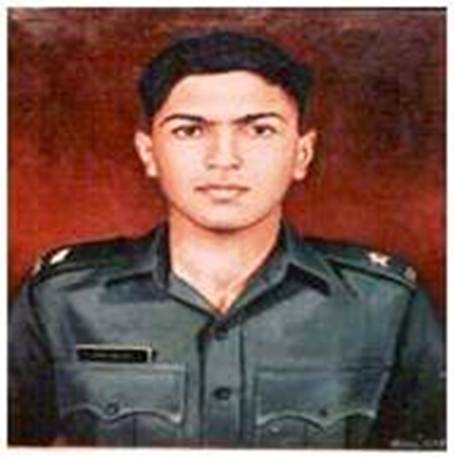
- A recent feature revisits the Battle of Basantar (Indo-Pakistan War, 1971) through the story of Second Lieutenant Arun Khetrapal, the youngest recipient of the Param Vir Chakra.
- The narrative is linked to the film Ikkis, which portrays his courage during one of the most decisive tank battles on the western front of the 1971 war.
Relevance
- GS-1 (History — Post-Independence India)
- Major wars, national security events, military leadership and heroism.
- GS-3 (Internal Security / Defence)
- Border security, armoured warfare, strategic geography (Shakargarh Bulge, riverine barriers).
Context & Background
- Indo-Pakistan War of 1971: Two Fronts
- Eastern Theatre → Liberation of Bangladesh (offensive operations).
- Western Theatre → Objective was to contain Pakistan and prevent escalation; included key defensive–offensive battles such as Basantar.
- Location
- Shakargarh Bulge (between the Ravi & Chenab rivers, near Jammu–Pathankot axis).
- A strategic wedge—if Pakistan broke through, it could threaten Punjab, Pathankot, and access to Kashmir.
- Battle of Basantar (Dec 1971) — Core Idea
- Indian aim: secure a bridgehead across the Basantar river, block Pakistani armoured thrusts, and hold territory under heavy counter-attacks.
Operational Overview — What Happened ?
- Indian Advance
- Indian armoured & infantry units crossed the heavily mined Basantar river, creating a bridgehead under intense fire.
- Pakistani Counter-attacks
- Multiple Patton tank assaults to dislodge Indian forces.
- Role of 2nd Lt Arun Khetrapal (Poona Horse Regiment)
- Refused to abandon his burning tank, fought on, and destroyed several enemy tanks.
- Continued firing despite being ordered to withdraw; died in action after disabling another advancing tank.
- His actions were pivotal in breaking the Pakistani assault and holding the bridgehead.
Decorated Soldier — Key Facts for Prelims
- 2nd Lt Arun Khetrapal
- Param Vir Chakra (Posthumous) — youngest recipient.
- National Defence Academy parade ground and gates at IMA, Dehradun & NDA, Khadakwasla named in his honour.
Strategic Significance of the Battle
- Military Significance
- Prevented Pakistan from penetrating the western sector.
- Secured the Pathankot–Jammu axis, protecting vital logistics corridors.
- Psychological & Doctrinal Impact
- Demonstrated armoured warfare capabilities and combined-arms coordination.
- Reinforced the role of defensive-offensive operations on active borders.
- War Outcome Context
- Contributed to favourable ceasefire terms on the western front.
Overview
- Shakargarh Bulge as a Vulnerability
- Natural salient projecting into India → high-value defensive priority.
- Armour vs Armour Battles in South Asia
- Basantar illustrates terrain–engineering–minefield integration as decisive in tank warfare.
- Role of Individual Leadership in War Outcomes
- Tactical courage at the platoon level can shape operational success.
Prelims-Ready Pointers
- Battle of Basantar → Western Front, Dec 1971, Shakargarh Bulge.
- Regiment involved → Poona Horse (armoured regiment).
- Award → Param Vir Chakra (youngest awardee).
- Objective → Hold bridgehead across Basantar; repel Pakistani tank counter-attacks.
Way Forward
- Preserve battlefields & regimental histories as military-heritage resources.
- Integrate lessons on combined arms, logistics protection, and armoured tactics in professional military education.
- Use biographies and films to strengthen public awareness of national security history.