
Why in News?
Record Dolphin Count
- Odisha recorded 765 dolphins in 2026, highest in five years, marking an increase of 55 individuals from previous year, credited to conservation, habitat protection, and community participation.
- Census conducted 20 January 2026 by Odisha Forest Department, showcasing India’s only annual marine dolphin monitoring programme at state scale.
Relevance
GS III — Environment
- Marine biodiversity conservation
- Schedule I species protection
- Ramsar wetlands (Chilika)
- Community-based conservation models
Practice Question
- “Scientific monitoring is crucial for wildlife conservation.” Evaluate the role of periodic biodiversity assessments in conservation policy. (250 Words)
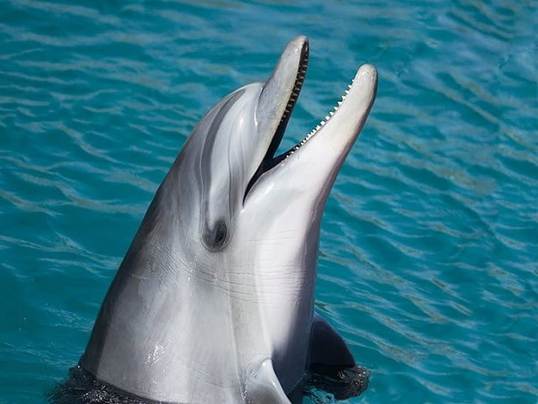
Species Composition
Species-wise Numbers
- Humpback dolphins: 497, Irrawaddy: 208, Bottlenose: 55, Spinner: 3, Finless porpoise: 2, reflecting species diversity along Odisha’s coast and estuaries. Humpbacks dominate coastal waters.
Trend Over Time
- Dolphin numbers rose from 544 (2020–21) to 765 (2026), indicating gradual recovery despite marine ecosystem pressures. Suggests conservation gains.
Irrawaddy Dolphin Focus
Status & Protection
- Irrawaddy dolphin listed under Schedule I, Wildlife Protection Act 1972 and IUCN Endangered, receiving highest legal protection.Flagship conservation species.
Chilika Stronghold
- 159 Irrawaddy dolphins in Chilika, Asia’s largest brackish lagoon and a Ramsar site, making it the world’s largest single-site population. Global significance.
Distribution Beyond Chilika
- Sightings in Balasore (15), Berhampur (13), Puri (12), Rajnagar mangroves (9) show range expansion along Odisha coast. Habitat connectivity important.
Conservation Framework
Protected Areas
- Gahirmatha Marine Sanctuary hosts 474 Humpback dolphins, also famous for Olive Ridley turtle rookeries. Multi-species conservation zone.
Monitoring System
- Dolphin estimation began in Chilika (2008), expanded coastwide in 2015, using boat and shore transects for scientific accuracy. Long-term dataset.
Capacity Building
- Training on species identification and survey methods builds institutional expertise among frontline staff. Strengthens governance.
Governance Significance
Model for Marine Conservation
- Odisha’s annual census seen as a national model for evidence-based marine biodiversity management. Data-driven policy.
Community Participation
- Local fisher engagement reduces conflict and supports habitat stewardship. Co-management success.
Challenges
Habitat Stress
- Prawn gheries, nylon fishing nets, and boat traffic degrade habitats and increase bycatch risks. Major threats.
Slow Breeding
- Irrawaddy dolphins have low reproductive rates, limiting rapid population growth. Recovery takes time.
Stagnation in Chilika
- Population stable at 159 for two years, indicating carrying-capacity or disturbance issues. Needs habitat regulation.
Way Forward
Habitat Regulation
- Control illegal aquaculture, destructive fishing gear, and pollution in lagoon and coastal zones.Reduce stressors.
Technology Use
- Employ acoustic monitoring, satellite tagging, and GIS mapping for precise tracking.Improves science.
Community Incentives
- Promote eco-tourism and compensation schemes to align livelihoods with conservation. Sustainable approach.


