
Why is this in News?
- December 2025:
- PM Narendra Modi visited Jordan.
- EAM S. Jaishankar visited Israel.
- India publicly reiterated its stance on:
- Israel–Palestine conflict.
- Wider West Asian instability (Gaza war spillovers, regional escalation risks).
- Significance:
- Diplomatic signalling amid polarised global positions.
- India balancing strategic ties with Israel and traditional support to Palestine & Arab world.
Relevance
GS II – International Relations
- India’s West Asia policy: balancing strategic autonomy with issue-based alignment.
- India–Israel relations vs India’s support for Palestine & Two-State Solution.
- India–Jordan relations and role of moderate Arab states.
- India as a balancer power amid polarised global geopolitics.
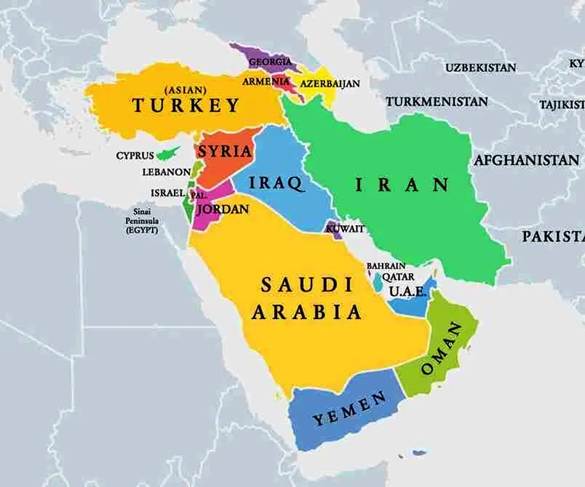
West Asia: Strategic Basics
- Region includes:
- Israel–Palestine
- Jordan, Gulf states, Iran, Iraq, Syria.
- Importance for India:
- ~60% of India’s crude oil & LNG imports.
- 9+ million Indian diaspora.
- Critical trade routes (Red Sea, Suez).
- Counter-terrorism cooperation.
India’s Traditional Policy on West Asia
- Core principles:
- Strategic autonomy.
- Non-alignment (now issue-based alignment).
- Support for international law & UN resolutions.
- Historical pillars:
- Support for Two-State Solution.
- Strong ties with Arab states.
- Since 1992: Full diplomatic relations with Israel.
India–Israel Relations: Snapshot
- Diplomatic ties: Since 1992.
- Key areas:
- Defence & weapons systems.
- Intelligence & counter-terrorism.
- Agriculture, water technology, innovation.
- Israel is among India’s top defence suppliers.
- Post-2017:
- De-hyphenation of Israel–Palestine policy.
India–Jordan Relations: Snapshot
- Jordan’s role:
- Custodian of Islamic holy sites in Jerusalem.
- Moderate Arab state with diplomatic credibility.
- Cooperation areas:
- Defence training.
- Water & renewable energy.
- Infrastructure and skill development.
- Jordan often acts as a bridge between Arab concerns and Western diplomacy.
Continuity and Change in India’s West Asia Policy
Continuity
- Support for Palestinian cause.
- Emphasis on diplomacy and restraint.
- Non-interventionist approach.
Change
- Clearer articulation against terrorism.
- Open strategic embrace of Israel.
- Willingness to engage all sides simultaneously.
Challenges for India
- Diplomatic tightrope:
- Israel vs Arab & Muslim world sentiments.
- Diaspora safety amid conflicts.
- Energy security risks due to regional instability.
- Pressure from:
- Western allies.
- Global South expectations.
Opportunities for India
- Mediation potential due to credibility with all sides.
- Strengthening role in:
- Humanitarian diplomacy.
- Conflict de-escalation narratives.
- Leveraging West Asia for:
- IMEC corridor.
- Energy transition cooperation.


