
Why in News ?
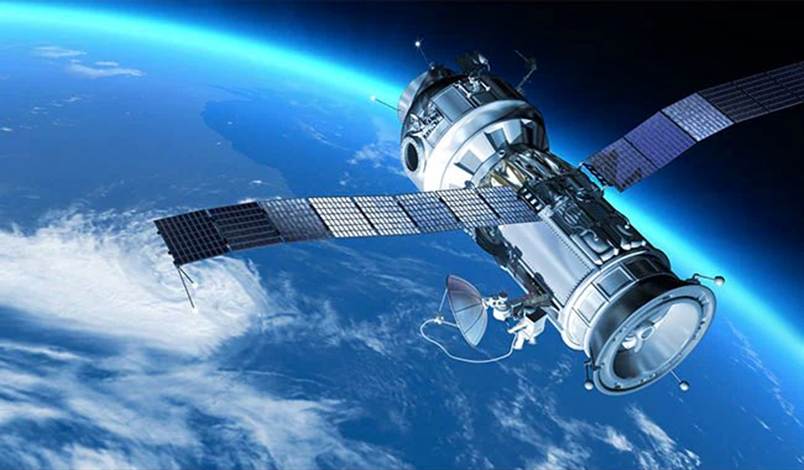
- Indian spacetech startups are pivoting from civilian EO (agri–climate data) to defence surveillance (“spy satellites”).
- Triggered by:
- Opening of space sector to private players (post-2020 reforms)
- Rising defence demand for ISR (Intelligence, Surveillance, Reconnaissance)
- Slower-than-expected commercial EO revenues.
Relevance
GS III – Science & Technology
- Space technology
- Small satellites & SAR
- Dual-use technologies
- Role of startups in high-tech sectors
GS III – Internal Security
- Intelligence, Surveillance & Reconnaissance (ISR)
- Border & maritime security
- Network-centric warfare
Key Data & Facts
India’s Space Economy
- Current size (2024): ~$8–9 billion
- Projected by 2033:
- $44 billion (IN-SPACe estimates)
- 5× growth over next decade
- Expected CAGR: ~23%
Private Space Revenue
- Private sector revenue (2024): ~$8.5 billion
- Projected (2033): ~$44 billion
- Defence & security satellites expected to be a major revenue driver.
Global Context
- Global space economy: ~$550 billion
- Defence & intelligence satellites account for:
- ~30–35% of government space spending globally
- US, China, Russia dominate military space assets.
Why Spy Satellites Are Attractive to Startups ?
1. Assured Demand (Defence Contracts)
- Defence ISR demand:
- Border surveillance (LAC, LoC, IOR)
- Maritime domain awareness
- Unlike civilian EO:
- Defence contracts are long-term & predictable
- Less price-sensitive.
2. Faster Revenue Realisation
- Civil EO:
- Fragmented buyers
- Low willingness to pay
- Defence EO:
- High-value contracts
- Government-backed payments
Key shift: from “data-selling” to “service contracts”
3. Technological Readiness
- Startups already strong in:
- Small satellites
- High-resolution EO
- SAR (Synthetic Aperture Radar)
- Defence requires:
- Higher revisit rates
- Secure data links
- Night & all-weather imaging
Key Indian Startups
- Pixxel – hyperspectral EO, now defence interest
- Skyroot Aerospace – launch vehicles (Vikram series)
- Agnikul Cosmos – small launch vehicles
- Dhruva Space – satellite platforms
(Startups increasingly integrating defence customers into business models)
Strategic & Security Dimension
Benefits for India
- Reduces dependence on:
- Foreign commercial satellite data
- Enhances:
- Real-time surveillance
- Military situational awareness
- Supports Atmanirbhar Bharat in defence.
Force Multiplier Effect
- Satellite-based ISR enables:
- Precision strikes
- Faster decision-making
- Network-centric warfare
Governance & Institutional Ecosystem
Key Enablers
- IN-SPACe
- Single-window clearance
- PPP facilitation
- ISRO
- Technology transfer
- Launch infrastructure
Challenges & Risks
1. Regulatory & Security Concerns
- Sensitive defence data handling
- Need for:
- Clear data-sharing protocols
- Cybersecurity safeguards
2. Capital Intensity
- Satellite manufacturing + launch:
- High upfront costs
- Defence payment cycles can strain startup cash flows.
3. Space Militarisation Risks
- Arms race in outer space
- Debris generation
- Dual-use ambiguity (civil + military).
Ethical & Legal Dimension
- Compliance with:
- Outer Space Treaty, 1967 (peaceful use)
- Surveillance vs privacy concerns.
- Accountability in private defence data usage.
Way Forward
Policy
- Clear Defence Space Procurement Policy for startups.
- Long-term contracts to ensure viability.
Technology
- Encourage SAR, AI-based image analytics.
- Secure encrypted data pipelines.
Institutional
- Stronger coordination between:
- ISRO
- IN-SPACe
- Defence Space Agency (DSA)
Strategic
- Balance:
- Commercialisation
- National security
- Global space norms


