
Why in News ?
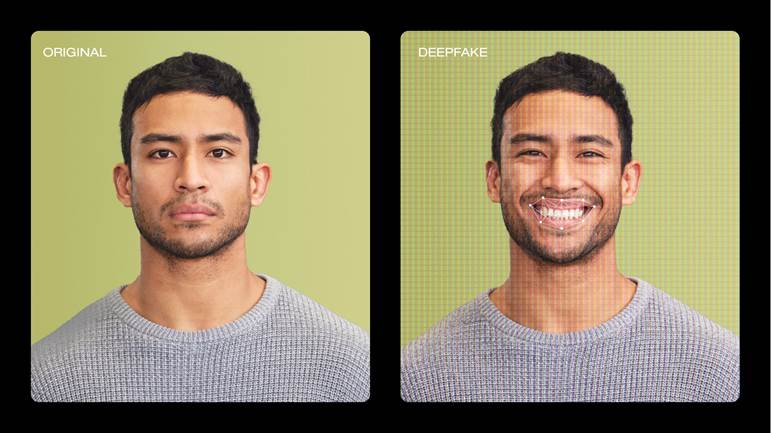
- Rapid advances in generative AI have made deepfakes more realistic, scalable, and real-time.
- Shift from:
- Obvious visual artefacts → indistinguishable synthetic humans
- Deepfakes increasingly used for:
- Election interference
- Financial fraud
- Cybercrime
- Disinformation warfare
Relevance
GS II – Polity & Governance
- Electoral integrity
- Role of media in democracy
- Free speech vs democratic order
GS III – Internal Security
- Cybercrime
- Information warfare
- Psychological operations
- AI-enabled security threats
Key Data & Facts
Scale of the Problem
- Number of deepfake videos online:
- ~500,000 in 2023
- Growing at exponential rates (cybersecurity estimates)
- Deepfake generation cost:
- Reduced from thousands of dollars (2018) → near-zero (2024).
- Voice cloning:
- Requires <5 seconds of audio for high-fidelity replication.
Technological Capability
- Real-time deepfake generation:
- Enabled by large language models + diffusion models
- Identity consistency:
- New models maintain:
- Facial micro-expressions
- Voice modulation
- Emotional cues
- New models maintain:
Why Detection Is Becoming Harder ?
1. Model-Level Improvements
- AI now generates:
- Stable facial structures
- Consistent eye movement
- Natural blinking & expressions
- Earlier detection relied on:
- Pixel artefacts
- Facial inconsistencies
These cues are disappearing.
2. Shift to Real-Time Synthesis
- Deepfakes no longer post-produced.
- Live video & audio manipulation:
- Evades forensic analysis
- Defeats after-the-fact verification
3. Convergence of AI Systems
- Integration of:
- LLMs (speech & logic)
- Vision models (face & motion)
- Voice synthesis
- Result:
- End-to-end synthetic personalities
Governance & Democratic Impact
Elections
- Deepfakes can:
- Fabricate speeches
- Manipulate voter sentiment
- Trigger last-minute misinformation
- Weakens:
- Informed consent
- Free & fair elections
Institutions
- Erosion of:
- Trust in media
- Trust in public figures
- Rise of “liar’s dividend”:
- Genuine evidence dismissed as fake
Cybersecurity & Internal Security
New Threat Vectors
- CEO fraud via voice cloning
- Diplomatic misinformation
- Military deception & psychological ops
Detection Arms Race
- AI vs AI:
- Detection models lag generation models
- Fragmented platforms:
- Faster spread than verification
Ethical Dimension
Ethical Failures
- Profit-driven platforms amplify synthetic content.
- Creators lack accountability.
- Users lose epistemic agency.
Values at Stake
- Truth
- Consent
- Dignity
- Democratic responsibility
Indian Context
- High social media penetration
- Low digital & media literacy
- Linguistic diversity complicates moderation
- Weak forensic capacity at local law enforcement level
- Regulatory gap between:
- IT Act, 2000
- Emerging AI realities
Why “Spotting with the Eye” Will Fail ?
- Deepfakes now:
- Match human perceptual limits
- Exploit cognitive biases
- Visual inspection ≠ reliable verification.
Paradigm shift:
From content-based detection → infrastructure & provenance-based trust.
Way Forward
Technological
- Content provenance tools:
- Digital watermarking
- Cryptographic signatures
- AI-generated content labelling by default.
- Real-time detection APIs integrated into platforms.
Regulatory
- Mandatory disclosure of synthetic media.
- Platform liability for unchecked spread.
- Election-period emergency powers to EC.
Institutional
- National Deepfake Response Framework.
- Capacity-building for police & courts.
- Coordination between:
- MeitY
- Election Commission
- CERT-In
Societal
- Media literacy as civic skill.
- Public awareness campaigns:
- “Verify before you trust”.


