
Content
- Snow leopards are the world’s least genetically diverse big cat
- Mokyr, Aghion and Howitt win Nobel economics prize
- Number of births declines; deaths rise slightly: report
- Gaza declaration inked as Hamas sets hostages free
- Why UNESCO’s Virtual Museum of Stolen Cultural Objects matters?
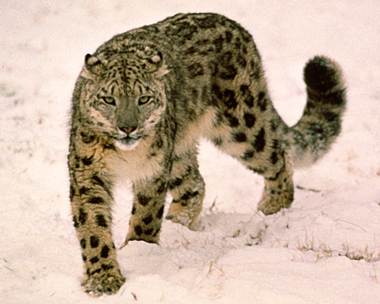
Snow leopards are the world’s least genetically diverse big cat
Understanding the Snow Leopard
- Scientific Name: Panthera uncia.
- Habitat: Rugged mountain ranges across 12 Asian countries, including India, China, Mongolia, Pakistan, Nepal, Bhutan, and others.
- Population in India: ~718 individuals (477 Ladakh, 124 Uttarakhand, 51 Himachal Pradesh, 36 Arunachal Pradesh, 21 Sikkim, 9 Jammu & Kashmir).
- Distinct Features: Long tail used as a rudder for balance, camouflage-adapted fur.
- Conservation Status: Listed as Vulnerable (IUCN 2017), previously Endangered; population estimate: 4,500–7,500 globally.
- Ecological Role: Apex predator, essential for maintaining mountain ecosystem balance; contributes to carbon storage and water provision for ~2 billion people.
Relevance :
- GS 3 – Environment & Biodiversity:
- Species conservation, habitat protection, ecosystem services.
- GS 2 – Governance:
- Role of NGOs, community participation, cross-border cooperation in conservation.
- GS 1 – Geography & Society:
- Mountain ecosystems, biodiversity hotspots, human-wildlife conflict management.
Genetics and Evolutionary Insights
- Low Genetic Diversity:
- Snow leopards have the lowest heterozygosity of any big cat, even lower than cheetahs.
- The low diversity is evolutionary, not due to recent inbreeding.
- Purging of Deleterious Mutations:
- Small, historically isolated populations allowed removal of harmful mutations over generations.
- Low highly deleterious homozygous load compared to other Panthera species.
- High historic inbreeding helped “purge” negative traits without compromising health.
- Implications:
- Low genetic diversity reduces adaptability to future anthropogenic threats (climate change, habitat fragmentation, poaching).
Threats to Survival
- Climate Change: Warming and floods in high-altitude habitats impacting prey availability and habitat integrity.
- Habitat Loss: Infrastructure expansion, land-use changes near borders (50–100 km proximity).
- Poaching and Conflict: Skin trade, retaliatory killings due to livestock predation.
- Prey Decline: Reduced populations of mountain ungulates like Siberian ibex.
Conservation Efforts
- Global Zoo Populations: ~445 snow leopards in 205 institutions (2008), ensuring genetic sustainability.
- India-Specific Initiatives:
- Project Snow Leopard (27+ years) by the Government of India.
- NGOs like Nature Conservation Foundation (NCF) actively involve local communities.
- Research Challenges:
- Sample collection is difficult due to bureaucratic and logistical hurdles.
- Limited genomic studies in India; comprehensive national sampling needed.
- Landscape Management: Emphasis on habitat integrity and respectful engagement with local communities.
Ecological and Strategic Importance
- Apex predator, maintaining prey population balance.
- Integral to carbon storage and water regulation in Asian mountains.
- Cross-border habitat connectivity observed in Pakistan (~75 km) and Mongolia (~1,000 km), critical for gene flow.
Research Insights (Stanford Study, PNAS 2025)
- Sample Size: 37 snow leopards whole-genome sequenced.
- Key Findings:
- Low heterozygosity is long-term evolutionary trait, not recent inbreeding.
- Effective purging of deleterious mutations keeps population healthy despite small size.
- High inbreeding coefficient compared to other big cats but health impacts minimal due to purging.
- Future Risks: Small populations may struggle to adapt to rapid environmental and anthropogenic changes.
Key Takeaways
- Snow leopards are genetically unique: small but historically resilient populations.
- Conservation requires a combination of genetic research, habitat integrity, and community engagement.
- India is a global stronghold for the species, making domestic conservation strategies critical.
- Anthropogenic threats and climate change are pressing concerns despite historic evolutionary adaptations.
- Cross-border landscape connectivity is essential for gene flow and long-term species survival.
Mokyr, Aghion and Howitt win Nobel economics prize
The Nobel Economics Prize 2025
- Official Name: Sveriges Riksbank Prize in Economic Sciences in Memory of Alfred Nobel.
- Prize Money: 11 million Swedish Kronor (~$1.2 million).
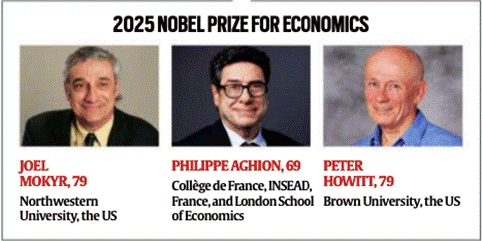
- Laureates: Joel Mokyr (Northwestern University, USA), Philippe Aghion (Collège de France, INSEAD, LSE), Peter Howitt (Brown University, USA).
- Prize Distribution: Mokyr received half; Aghion and Howitt shared the other half.
- Purpose: Recognizes contributions that advance understanding of economic phenomena, in this case, innovation-driven growth.
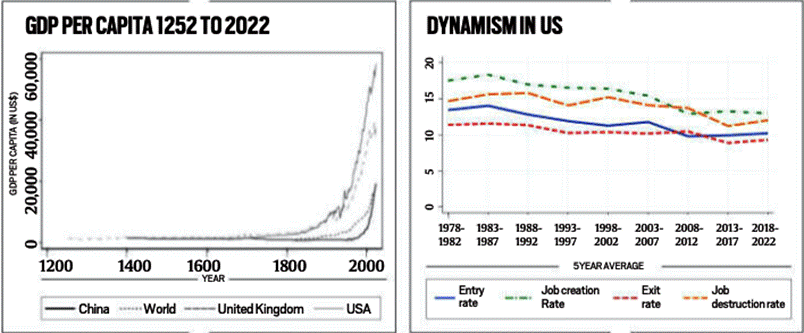
- Announcement Context: The prize highlights the importance of sustained economic growth in a historical context where stagnation was more common.
Relevance
- GS 3 – Economy & Development:
- Innovation as a growth driver, role of technology, industrial policy.
- GS 2 – Governance & Policy Design:
- Understanding economic incentives, regulation of creative destruction, fostering innovation ecosystems.
Laureates’ Contributions
1. Joel Mokyr
- Used historical observations to identify factors that sustain economic growth.
- Focused on technological innovations as a driver of long-term economic expansion.
- Emphasized the historical patterns of growth vs. stagnation.
2. Philippe Aghion & Peter Howitt
- Developed a mathematical model of creative destruction.
- Concept: Continuous replacement of old products, technologies, and processes by new, superior innovations.
- Highlights the dynamic nature of innovation in economic growth.
Key Concepts
Innovation-Driven Growth
- Economic growth primarily propelled by new technologies and ideas.
- Sustained growth requires continuous technological progress and adoption.
Creative Destruction
- Introduced in the context of Schumpeterian economics.
- Process where new innovations replace obsolete products and processes, fueling productivity gains and economic development.
- Creates winners (innovators) and losers (obsolete industries), emphasizing the dynamic trade-offs in economies.
Historical Economic Stagnation
- For most of human history, growth was limited or stagnant.
- Modern sustained growth is unusual and requires institutional, technological, and social support.
Implications of the Research
- Understanding growth mechanisms helps policymakers anticipate and counteract threats to economic progress.
- Innovation-focused policies can boost productivity, employment, and living standards.
- Models of creative destruction are useful in:
- Designing industrial policy.
- Anticipating disruption from new technologies.
- Balancing support for innovation with social safety nets for displaced sectors.
Historical Context of the Prize
- Economics Prize established in 1969 (much later than Nobel’s original 1901 prizes).
- First winners: Ragnar Frisch (Norway) and Jan Tinbergen (Netherlands) for dynamic economic modeling.
- Past notable laureates: Paul Krugman, Milton Friedman, Ben Bernanke, Daron Acemoglu.
- 2024 Economics Prize: Simon Johnson, James Robinson, Daron Acemoglu – studied colonial history and public institutions to explain persistent poverty.
Key Takeaways
- Sustained economic growth is not automatic; it requires innovation, supportive institutions, and adaptive policies.
- Creative destruction explains how economies evolve dynamically, balancing obsolescence and opportunity.
- Policymakers must anticipate threats to growth, e.g., stagnation, technological disruption, and market failures.
- The prize underscores the importance of interdisciplinary approaches: history, economics, and quantitative modeling.
- Provides guidance for designing policies to foster long-term productivity and economic resilience.
Number of births declines; deaths rise slightly: report
Understanding the CRS Data
- Source: Vital Statistics of India, based on Civil Registration System (CRS), compiled by the Registrar-General of India (RGI).
- Purpose: Tracks births, deaths, and demographic trends, providing essential data for policy, planning, and population studies.
- Scope: Covers births, deaths, sex ratio, institutional delivery, and timeliness of registration across Indian states and UTs.
Relevance
- GS 1 – Geography & Society: Demographic trends, gender imbalance, population distribution.
- GS 2 – Governance: CRS administration, policy implementation, monitoring of vital statistics.
- GS 3 – Health & Social Welfare: Maternal & child health, institutional delivery, pandemic impact assessment.
Births in 2023
- Total registered births: 2.52 crore (25.2 million), 2.32 lakh fewer than 2022.
- Institutional births: 74.7% of total registered births.
- Registration completeness: 98.4% nationwide (high but slightly variable across states).
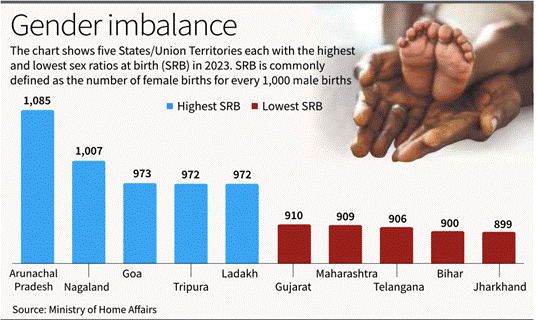
- Sex Ratio at Birth (SRB):
- Lowest: Jharkhand (899), Bihar (900), Telangana (906), Maharashtra (909), Gujarat (910), Haryana (911), Mizoram (911).
- Highest: Arunachal Pradesh (1,085), Nagaland (1,007), Goa (973), Ladakh/Tripura (972), Kerala (967).
- Trend: Bihar consistently reports one of the lowest SRB since 2020, indicating persistent gender imbalance.
Deaths in 2023
- Total registered deaths: 86.6 lakh, marginally higher than 86.5 lakh in 2022.
- COVID-19 context:
- No major spike in 2022–23, despite cumulative pandemic deaths of 5,33,665 (as of May 5, 2023).
- Major excess deaths occurred in 2021 (~21 lakh excess), coinciding with the second year of COVID-19 lockdown.
- Historical comparison: 81.2 lakh deaths in 2020 → 102.2 lakh in 2021 → 86.5 lakh in 2022 → 86.6 lakh in 2023.
State-Wise Registration Timeliness
- High Compliance (>90% registered within 21 days): Gujarat, Puducherry, Chandigarh, Dadra & Nagar Haveli and Daman & Diu, Tamil Nadu, Lakshadweep, Andaman & Nicobar Islands, Haryana, Himachal Pradesh, Goa, Punjab.
- Moderate Compliance (80–90%): Odisha, Mizoram, Maharashtra, Chhattisgarh, Andhra Pradesh.
- Low Compliance (50–80%): Assam, Delhi, Madhya Pradesh, Tripura, Telangana, Kerala, Karnataka, Bihar, Rajasthan, Jammu & Kashmir, Jharkhand, West Bengal, Meghalaya, Uttar Pradesh.
Key Observations & Trends
- Declining Births: Slight decrease from 2022 suggests early signs of fertility transition or data variability.
- Stable Deaths: Mortality returned to near pre-pandemic levels after 2021 spike.
- Sex Ratio Concerns: Persistent low SRB in several northern states (Bihar, Jharkhand, Haryana) indicates continued gender bias at birth.
- Institutional Births: 74.7% → good coverage, but scope for improvement, especially in rural and remote areas.
- Registration Gaps: Wide state-level variation suggests administrative, cultural, and infrastructural differences affecting CRS compliance.
- Data Limitations: Sikkim data missing; incomplete registration in some states limits full national comparability.
Implications for Policy
Population Policy & Planning
- Helps monitor fertility trends, population growth, and regional disparities.
- Informs maternal and child health policies targeting institutional delivery and sex ratio improvement.
Gender Equality
- Persistent low SRB requires targeted interventions, e.g., awareness campaigns, enforcement of the Pre-Conception & Pre-Natal Diagnostic Techniques (PCPNDT) Act.
Health System Planning
- Death registration data aids in mortality surveillance and assessment of public health interventions, including pandemic response planning.
Administrative Efficiency
- Timely registration is critical for citizen services, legal documentation, and social benefits.
- States with <80% timely registration need targeted CRS system strengthening.
Monitoring COVID-19 & Other Health Crises
- CRS data provides a baseline to measure excess mortality in emergencies, as seen in 2021 during the pandemic.
Key Takeaways
- India’s vital statistics indicate stabilization post-pandemic, but gender bias and uneven registration persist.
- Regional disparities highlight the need for focused administrative reforms and awareness campaigns.
- High institutional birth coverage is encouraging but needs improvement in lagging states.
- CRS remains a critical tool for evidence-based policymaking, especially in health, population, and gender equity programs.
Gaza declaration inked as Hamas sets hostages free
Why in News
- Date & Event: On October 14, 2025, U.S. President Donald Trump, along with leaders of Egypt, Qatar, and Turkey, signed a declaration aimed at cementing a ceasefire in Gaza.
- Key Developments:
- Hamas released the last 20 surviving hostages held for nearly two years.
- Israel released 1,968 mostly Palestinian prisoners as part of the agreement.
- Significance: Marks a potential turning point in the West Asian conflict, with major international actors facilitating conflict resolution.
Relevance
- GS 2 – International Relations:
- Conflict resolution, U.S. diplomacy, regional cooperation in West Asia.
- GS 3 – Security:
- Terrorism, hostage situations, prisoner exchanges, and human security.
Background
- Gaza War (October 2023–2025):
- Hostilities escalated after the October 7, 2023 attack by Hamas on Israel.
- Led to massive casualties, hostages, and prisoner captures.
- Previous Negotiations:
- Egypt, Qatar, and Turkey have historically mediated Israel-Hamas dialogues.
- U.S. involvement underlines the international push for conflict resolution.
Key Actors
- Israel:
- Released 1,968 mostly Palestinian prisoners.
- Participated in negotiations facilitated by the U.S. and regional powers.
- Hamas:
- Released last 20 hostages after two years of captivity.
- Demonstrates willingness to comply under international pressure.
- U.S. (Donald Trump):
- Acted as mediator and guarantor of the ceasefire.
- Signed the declaration alongside regional leaders to formalize rules and regulations.
- Regional Leaders:
- Egypt, Qatar, and Turkey played critical roles as mediators.
- Ensured compliance and enforcement mechanisms for the ceasefire.
The Ceasefire Agreement
- Declaration Content:
- Framework to prevent resumption of hostilities.
- Defines rules, regulations, and responsibilities for Israel, Hamas, and guarantor states.
- Establishes monitoring and accountability mechanisms to sustain peace.
- Prisoner & Hostage Exchange:
- Core component to build trust between the parties.
- Addresses humanitarian and political pressures within Israel and Gaza.
Humanitarian Dimension
- Hostage Release:
- 20 surviving hostages freed, ending two years of captivity.
- Restores hope for families and signals humanitarian progress.
- Prisoner Release:
- 1,968 Palestinian prisoners returned, alleviating domestic tensions in Gaza and the West Bank.
Geopolitical Implications
- U.S. Influence in West Asia:
- Trump’s involvement strengthens U.S. role as mediator in Middle East peace processes.
- Regional Power Dynamics:
- Egypt, Qatar, and Turkey gain diplomatic leverage as conflict mediators.
- Positions Turkey and Qatar as key players in West Asian stability.
- Israel-Hamas Relations:
- Ceasefire signals temporary halt to hostilities; long-term peace remains uncertain.
- Impact on Palestinians:
- Prisoner release is a political and morale boost for Palestinian communities.
Strategic Significance
- Marks a shift from active conflict to negotiated peace in Gaza.
- Potentially reduces cross-border violence and civilian casualties.
- Sets precedent for future international mediation in conflicts involving non-state actors.
Challenges Ahead
- Ensuring long-term adherence to ceasefire rules.
- Monitoring by guarantor states to prevent renewed hostilities.
- Addressing underlying issues such as territorial disputes, blockades, and security concerns.
- Sustaining political will from both Israel and Hamas for continued peace.
Key Takeaways
- The ceasefire agreement and prisoner exchange represent a critical step toward stability in Gaza.
- U.S. and regional powers are actively shaping conflict resolution mechanisms in West Asia.
- Humanitarian, strategic, and political dimensions are interconnected, requiring continuous international engagement.
- Long-term peace depends on implementation, monitoring, and trust-building among all stakeholders.
Why UNESCO’s Virtual Museum of Stolen Cultural Objects matters ?
Why in News
- UNESCO recently launched the Virtual Museum of Stolen Cultural Objects, aimed at digitally tracking and displaying cultural artifacts taken unlawfully from their countries of origin.
- The initiative highlights issues of cultural repatriation, heritage preservation, and digital innovation in safeguarding global cultural property.
Relevance
- GS 1 – Culture & Heritage:
- Safeguarding cultural heritage, post-colonial restitution, and role of digital platforms.
- GS 2 – Governance & International Relations:
- INTERPOL cooperation, UNESCO’s global framework, cross-border legal collaboration.
- GS 3 – Technology & Society:
- AI application in digitization, visualization, and knowledge dissemination.

Understanding the Museum
UNESCO (United Nations Educational, Scientific and Cultural Organization):
- International organization focused on education, science, culture, and heritage.
- Works to protect cultural heritage and promote restitution of stolen artifacts.
Virtual Museum Concept:
- Digital platform accessible online.
- Displays stolen cultural objects, including images, descriptions, and historical context.
- Aims to raise awareness and facilitate repatriation.
Scope of Collection:
- ~240 missing objects from 46 countries.
- Includes art, religious icons, and historical objects.
- Selection focuses on culturally significant artifacts that have been lost to illicit trade.
Two Highlighted Sculptures (From Indian Temple):
- Nataraaja Figure: Cosmic dance motif; hands raised in assurance; crushing small demons; emphasizes divine power and knowledge.
- Second Figure (Brahma, Shiva, Vishnu): Three deities aligned with symbolic meaning; emblems like rosary and Vedas; depicts clarity and philosophical ideas.
Comprehensive Features
Digital Accessibility:
- Objects displayed digitally with detailed descriptions.
- Accessible to scholars, students, and the public worldwide.
- Can be used for education, research, and policy advocacy.
AI Integration:
- Leverages artificial intelligence to create spinable 3D visualizations.
- Helps simulate physical viewing and inspection of artifacts virtually.
Museum Structure:
- Hosted on MONDIACULT platform.
- Provides “rooms” for thematic organization (e.g., type, region, period).
- Features searchable metadata and AI-generated reconstructions.
Collaboration with INTERPOL:
- Facilitates coordination for recovery and restitution of stolen objects.
- Provides law enforcement and cultural authorities with verification tools.
Significance
Cultural Preservation:
- Highlights illegal trade and looting of cultural heritage.
- Raises awareness among citizens and governments about the importance of safeguarding heritage.
Repatriation Efforts:
- Helps source countries track stolen artifacts.
- Documented history and digital display improve the case for return.
Education & Research:
- Scholars and students gain access to artifacts previously only in private collections or unknown locations.
- AI-driven visualizations enhance understanding of art forms, motifs, and historical contexts.
Global Cooperation:
- Encourages governments, NGOs, law enforcement, and civil society to collaborate on heritage protection.
- Helps prevent future thefts and promotes accountability in international art trade.
Post-Colonial Significance:
- Many stolen objects were taken during colonial times; museum underscores the impact of historical exploitation.
- Supports ongoing discourse on decolonization of museums and cultural restitution.
Challenges & Limitations
- Digital vs. Physical Return:
- While virtual display raises awareness, physical repatriation requires international cooperation and legal processes.
- Incomplete Data:
- Only a small fraction of missing artifacts are documented; many remain in private collections or unknown locations.
- Technological Access:
- Success depends on internet access and AI literacy, limiting reach in some regions.
Key Takeaways
- UNESCO’s Virtual Museum combines technology, diplomacy, and heritage preservation.
- Serves as a tool for education, restitution advocacy, and global cooperation.
- Demonstrates the growing role of digital innovation in cultural preservation.
- Reinforces ethical responsibility of museums, collectors, and nations to protect and restore stolen cultural property.


