
WHY IS IT IN NEWS?
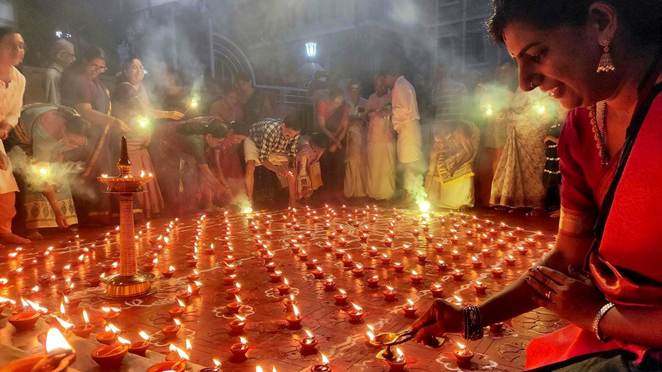
- UNESCO has officially inscribed Deepavali on the Representative List of the Intangible Cultural Heritage (ICH) of Humanity.
- The decision was announced at the 20th session of UNESCO’s Intergovernmental Committee held in New Delhi at the Red Fort.
- Delegates from 194 member states, international experts, and Indian officials, including the Union Culture Minister, participated.
- The inscription highlights Deepavali’s global cultural significance and its contribution to social cohesion and traditional craftsmanship.
Relevance
GS-I – Indian Culture
- Intangible cultural heritage (ICH) under UNESCO 2003 Convention
- Festivals as living traditions; craft ecosystems (diyas, rangoli, artisanal work)
- Social cohesion, rituals, intergenerational transmission
GS-II – International Relations
- Cultural diplomacy & soft power
- India’s increasing presence in UNESCO heritage lists
- UNESCO committees & global heritage governance
WHAT IS INTANGIBLE CULTURAL HERITAGE (ICH)?
a) Definition
Under UNESCO’s 2003 Convention, Intangible Cultural Heritage refers to:
- Living traditions, expressions, and knowledge passed across generations.
Examples include: - Festivals
- Oral traditions
- Performing arts
- Rituals
- Traditional crafts
- Social practices and community knowledge
b) Purpose of inscription
- Safeguard cultural practices
- Promote awareness and respect for cultural diversity
- Support communities preserving traditions
- Strengthen international cultural cooperation
c) Representative List of the ICH of Humanity
- A global list showcasing traditions with significant cultural value.
- Deepavali now joins the list, alongside other Indian entries such as:
- Yoga
- Kumbh Mela
- Durga Puja
- Ramlila
- Kalbelia dance
- Vedic chanting
WHAT THE UNESCO INSCRIPTION RECOGNISES ABOUT DEEPAVALI ?
a) A “living heritage”
UNESCO acknowledges Deepavali as a cultural practice kept alive by millions through:
- Community celebrations
- Intergenerational transmission
- Craft-based traditions
b) Key cultural dimensions
- Strengthens social bonds
- Family gatherings, community rituals, shared customs.
- Supports traditional craftsmanship
- Potters making traditional ‘diyas’
- Artisans engaged in rangoli, décor, textiles, metalwork
- Encourages generosity and well-being
- Charity, gift-giving, community welfare activities
- Contributes to Sustainable Development Goals (SDGs)
- SDG 11: Sustainable cities & cultural heritage
- SDG 8: Livelihoods for artisans and craftspeople
- SDG 16: Stronger social cohesion and community trust
WHY DEEPAVALI QUALIFIES AS INTANGIBLE CULTURAL HERITAGE ?
A) Wide geographic spread
- Celebrated across India and globally (South Asia, Southeast Asia, diaspora communities).
B) Multiple cultural layers
- Religious significance
- Harvest symbolism
- Seasonal rituals
- Community bonding traditions
C) Strong craft and livelihood ecosystem
- Millions of traditional workers participate in the festival economy, including:
- Potters
- Decorative artisans
- Sweet makers
- Farmers producing festival-linked crops
- Priests and local craft guilds
D) Deep continuity
- Multimillennial tradition with consistent cultural transmission.
SIGNIFICANCE OF THE INSCRIPTION FOR INDIA
1. Global recognition
- Enhances India’s cultural presence and soft power.
- Highlights India’s diversity and heritage diplomacy.
2. Preservation and documentation
- UNESCO tag encourages:
- Cultural mapping
- Safeguarding measures
- Financial and institutional support
3. Benefits for traditional livelihoods
- Craftspeople and artisans gain visibility, market value, and protection of traditional crafts.
- Opportunities for sustainable tourism and cultural industries.
4. Strengthens the RTI of culture
- Reinforces India’s role in shaping global cultural narratives.
- Enhances people-to-people diplomacy.
NATIONAL CONTEXT OF THE EVENT
- The Union Culture Minister described the inscription as a moment of immense pride.
- Special emphasis placed on the people-centric nature of Deepavali, acknowledging contributions of artisans and ordinary households.
- The Prime Minister described the recognition as reflecting Deepavali’s role in India’s cultural ethos and civilisational identity.
BROADER CONTEXT: UNESCO AND INDIA’S HERITAGE DIPLOMACY
India’s growing heritage presence
- Multiple Indian traditions have been added to UNESCO lists in recent years.
- India’s cultural diplomacy aims to highlight:
- Civilisational depth
- Community cultural practices
- Sustainable craft ecosystems
- Plurality of festivals and traditions
UNESCO ICH helps India in:
- Cultural tourism
- Global image-building
- Protection of traditional knowledge systems
- Strengthening artisan-based rural economies


