Contents:
- Union Cabinet grants Classical Language status to Five New Languages
- Birth Anniversary of Shyamji Krishna Varma
Union Cabinet grants Classical Language status to Five New Languages
Focus: GS I: History
Why in News?
The Union Cabinet has approved to confer the status of Classical Language to Marathi, Pali, Prakrit, Assamese and Bengali languages.
Criteria for Classical Language Status
- The language must have a documented history of at least 1,500-2,000 years, evident in early texts.
- It should have a substantial body of ancient literature, highly regarded as a cultural heritage.
- The literary tradition of the language must be original and not borrowed from another speech community.
- There should be a clear distinction between the classical form of the language and its modern forms or offshoots.
Recognized Classical Languages in India
- Tamil: First declared in 2004.
- Sanskrit: Recognized in 2005.
- Telugu: Declared in 2008.
- Kannada: Also recognized in 2008.
- Malayalam: Added in 2013.
- Odia: Recognized in 2014.
Benefits of Classical Language Status
- Promotion and Support: The Ministry of Education offers various supports to promote these languages:
- International Awards: Two major international awards are given annually to scholars of eminence in the language.
- Centers of Excellence: Establishment of a Centre of Excellence for Studies in the Classical Language.
- Professional Chairs: The University Grants Commission (UGC) is requested to create Professional Chairs in Central Universities dedicated to the classical language.
Birth Anniversary of Shyamji Krishna Varma
Focus: GS I- Personalities in News
Why in News?
The Prime Minister Shri Narendra Modi remembered freedom fighter Shyamji Krishna Varma on his 95th birth anniversary today.
About Shyamji Krishna Varma :
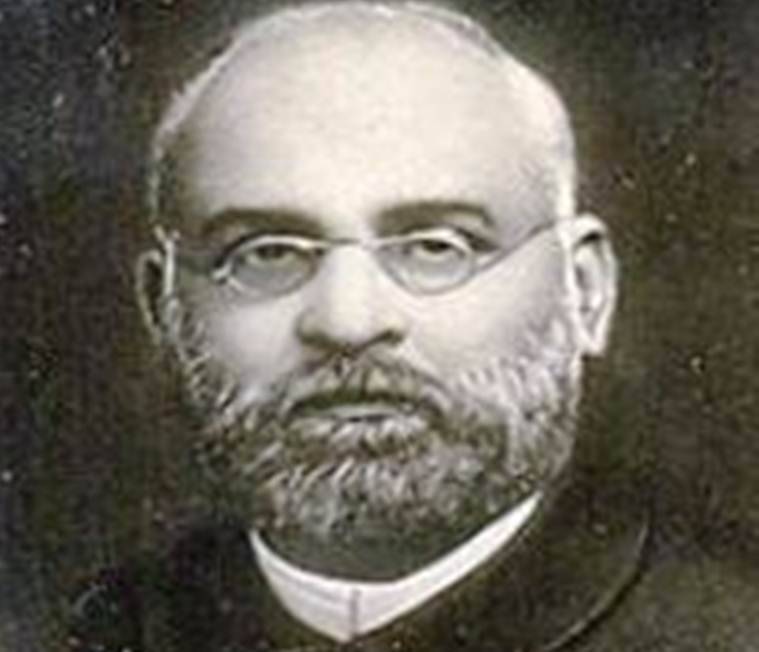
Shyamji Krishna Varma (1857–1930) was an Indian revolutionary fighter, patriot, lawyer and journalist who made significant contributions towards India’s freedom struggle.
Notable Achievements:
- He was a noted scholar in Sanskrit and other Indian languages.
- He briefly pursued a legal career in India and served as the Divan of a number of Indian princely states.
- Founded India House in London in 1904, which became the nerve centre and nucleus for India’s revolutionaries.
- Started the publication of a monthly journal called ‘Indian Sociologist’ which became a vehicle of revolutionary ideas.
- In February 1905, he established the Indian Home Rule Society to raise his voice against British domination in India.
- Advocated non-violent means of getting rid of the British and using withdrawal of cooperation with the colonial administration as the most effective weapon for this purpose.
- Narendra Modi dedicated a memorial ‘Kranti Tirth’, to Shyamji Krishna Varma at the revolutionary’s ancestral town Mandvi in Kutch district.
Controversy:
He was disbarred from Inner Temple and removed from the membership list on 30 April 1909 for writing anti-British articles in The Indian Sociologist.
His resolution on India received an enthusiastic ovation from the entire conference. Shyamji’s activities in England aroused the concern of the British government.