Why in News?
MHA Guidelines
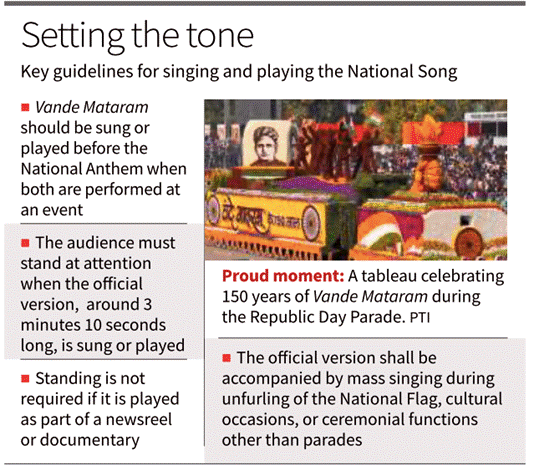
- Union Home Ministry (MHA) issued fresh instructions stating Vande Mataram should precede Jana Gana Mana when both are played, clarifying protocol, decorum, and occasions for singing/playing.
- Guidelines uploaded February 6, 2026, without formal announcement, but triggered debate on symbolism, constitutional status, and protocol hierarchy between National Song and National Anthem.
Relevance
GS II — Polity
- National symbols, constitutional morality
- Fundamental Duties (Art 51A)
- Legal vs moral obligations
GS I — Culture
- Freedom movement symbolism
- Nation-building and identity politics
Practice Question
- “National symbols play a role in nation-building but can also raise questions of inclusivity.” Discuss with reference to constitutional values. (250 Words)
Historical & Cultural Background
Origin of Vande Mataram
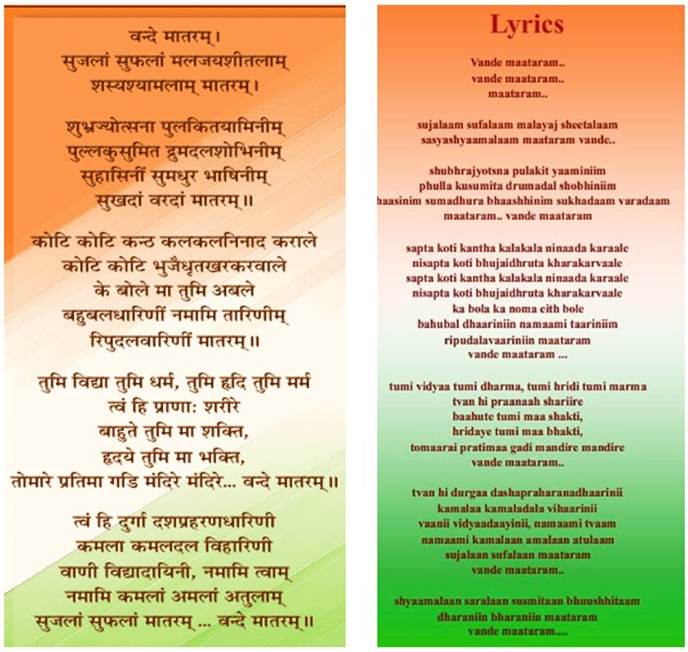
- Vande Mataram, composed by Bankim Chandra Chatterjee in Anandamath (1882), became a rallying cry in the freedom movement, symbolising devotion to the motherland. Strong nationalist association.
Constituent Assembly Position
- In 1950, Constituent Assembly accorded Jana Gana Mana as National Anthem and recognised Vande Mataram as National Song with equal respect but distinct constitutional status. Political compromise.
Constitutional & Legal Status
National Anthem
- Article 51A(a) makes respect for National Anthem a Fundamental Duty; Prevention of Insults to National Honour Act, 1971 enforces legal protection.Legally enforceable.
National Song
- No specific constitutional or statutory provision mandates National Song; its status is cultural-symbolic, though officially recognised. Moral respect expected.
Key Provisions in Guidelines
Order of Playing
- When both played, National Song precedes National Anthem, reinforcing ceremonial sequencing but not altering constitutional hierarchy. Protocol clarity.
Standing Protocol
- Audience must stand to attention when official version (~3.1 minutes) is sung or played, except during film/newsreel where standing may disrupt proceedings. Practical decorum.
Ceremonial Occasions
- Played on arrival/departure of President or Governor, flag unfurling, cultural and ceremonial functions, and other government-notified occasions. State functions focus.
Band & Choir Use
- Band performances preceded by drum roll; mass singing allowed with trained choirs ensuring coordination and dignity. Structured presentation.
Schools
- Schools may begin day with community singing of Vande Mataram, promoting civic values and patriotic education. Civic culture.
Governance & Policy Significance
Symbolic Nation-Building
- Reflects role of national symbols in fostering collective identity, patriotism, and cultural unity. Soft power domestically.
Centre–State Coordination
- Protocols guide uniform practices across States, reducing ambiguity in official ceremonies. Administrative standardisation.
Debates & Sensitivities
Pluralism Concerns
- Some communities historically expressed discomfort with certain verses; debate centres on balancing cultural symbolism with inclusivity. Diversity management.
Legal vs Moral Duty
- Unlike Anthem, National Song observance is not legally enforceable, raising questions on voluntary patriotism vs mandated symbolism. Constitutional nuance.
Way Forward
Sensitivity & Inclusion
- Promote respectful observance while ensuring pluralistic accommodation and avoiding coercive nationalism. Harmony focus.
Civic Education
- Increase awareness on history and protocol of national symbols, strengthening informed patriotism. Knowledge-based respect.